EN
Difrax fopspenen in verschillende maten en kleuren voor pasgeborenen tot peuters

Pacifiers

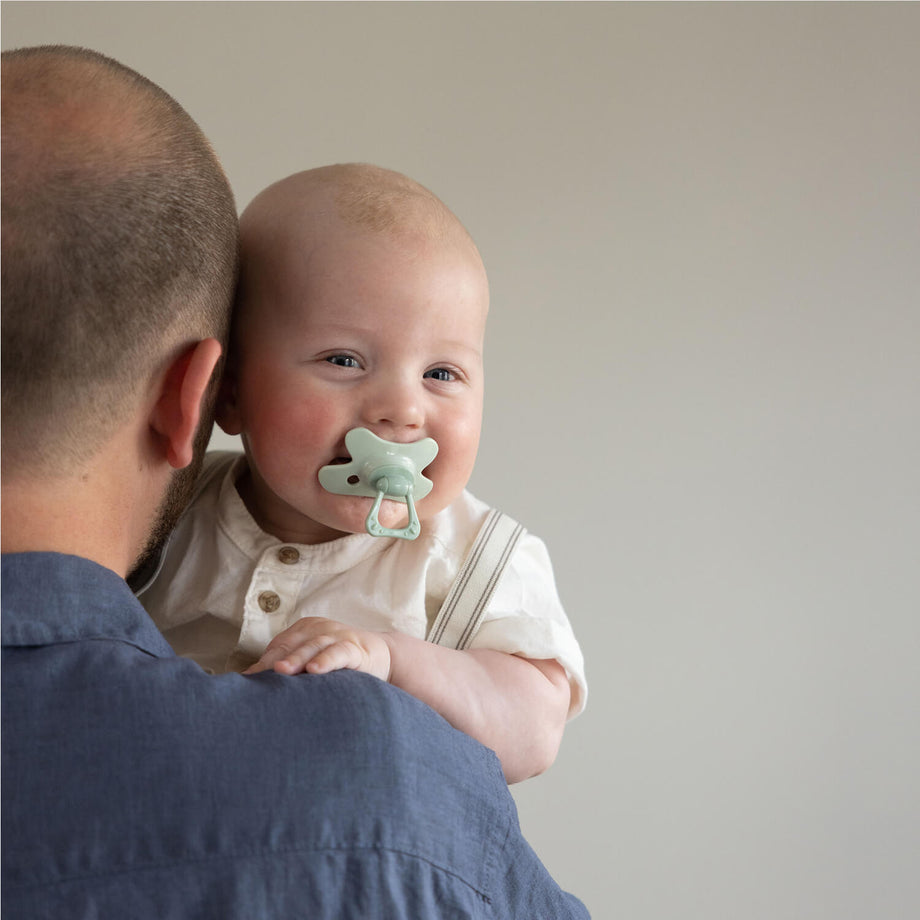
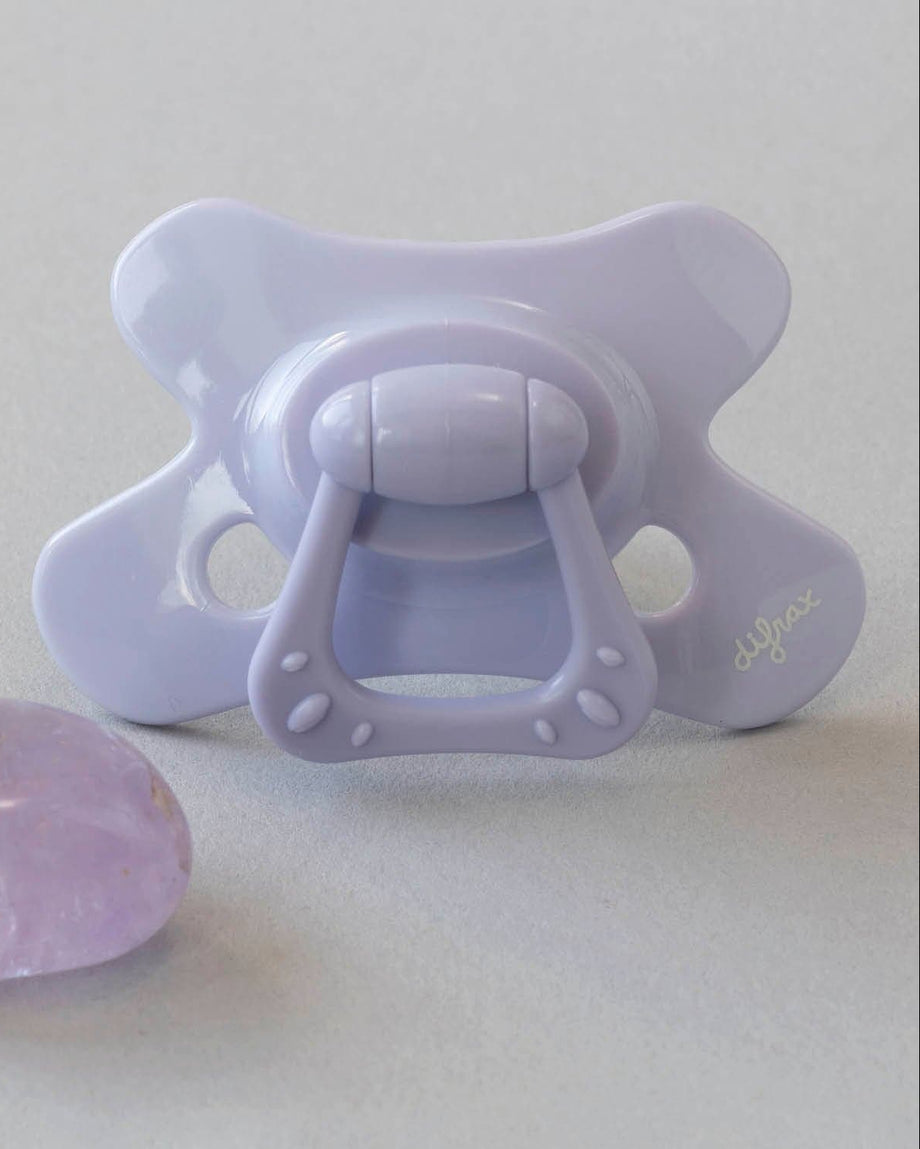
The most fun pacifiers in trendy colours and cheerful prints. Our safe pacifiers are available for every child in Natural, Dental or Dynamic versions.

8 products of 117 products

Pacifiers

Pacifiers

In the first five months, babies have a natural need to suck. A pacifier can fulfill this need and offers comfort and calm, resulting in a feeling of security and safety for your child. The use of pacifiers is generally considered safer and gentler on the teeth than thumb sucking.

What makes Difrax pacifiers unique?


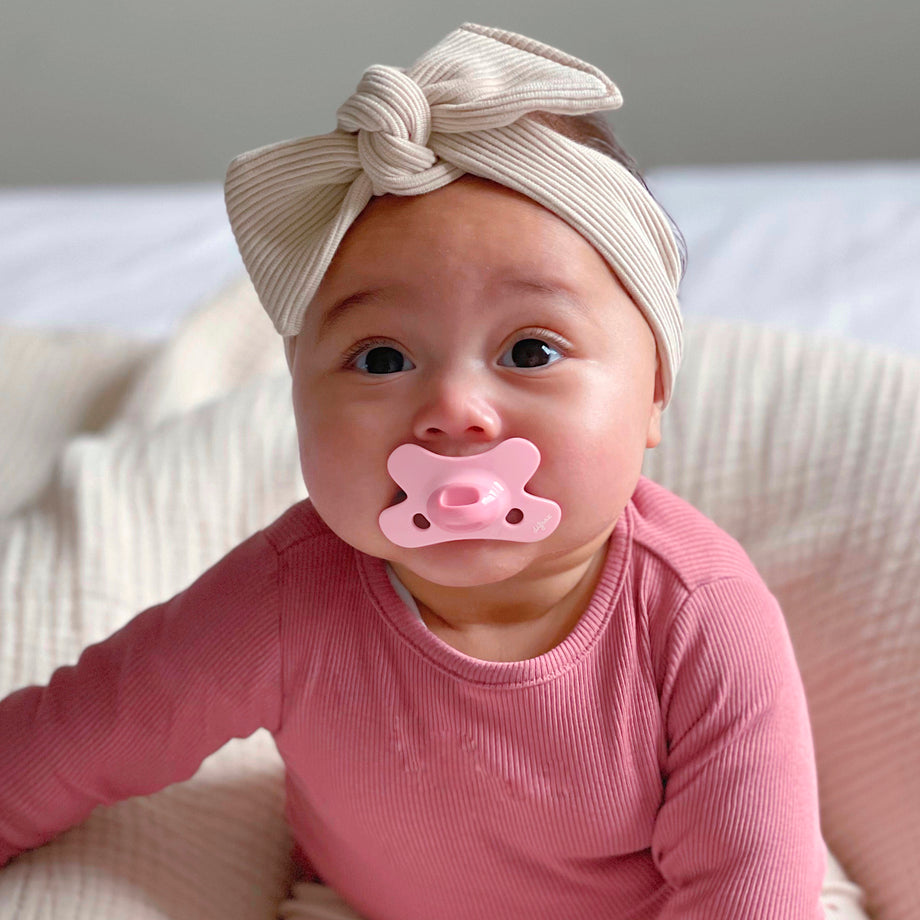
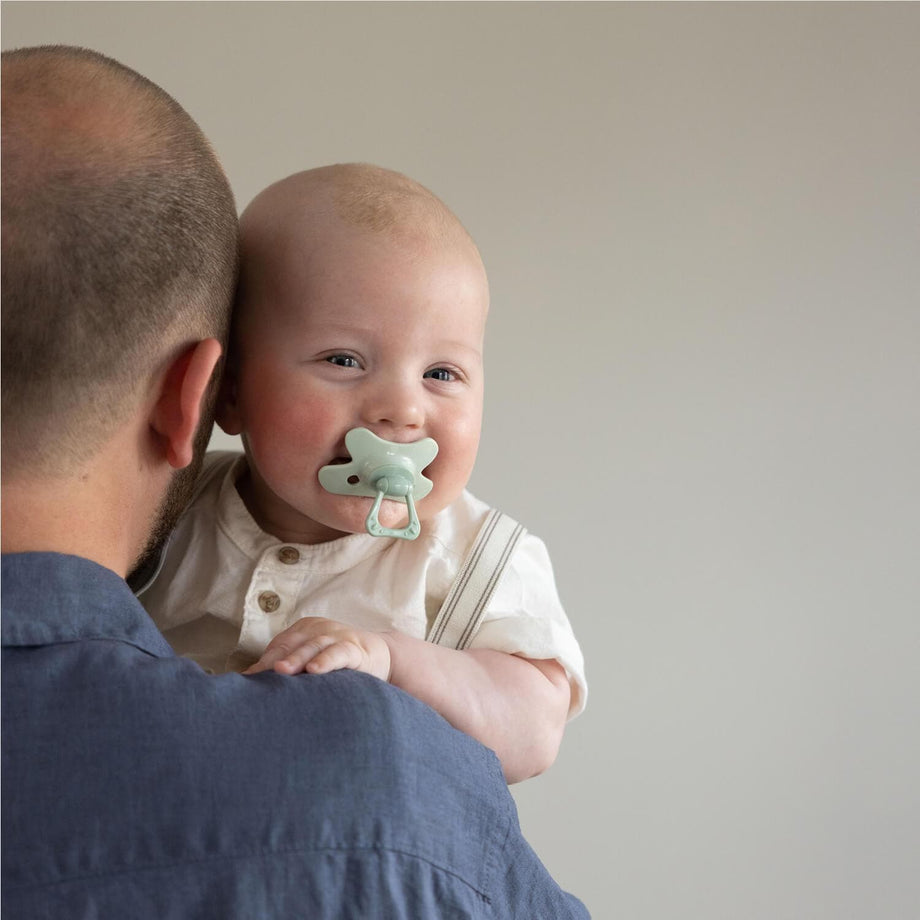
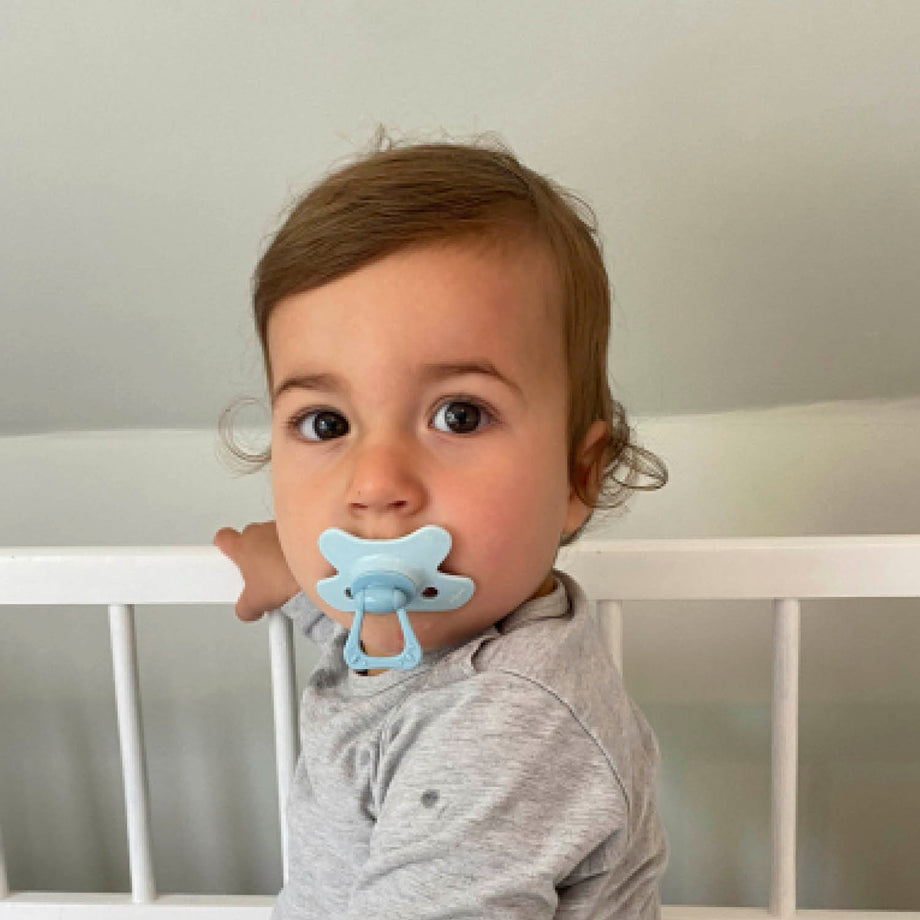
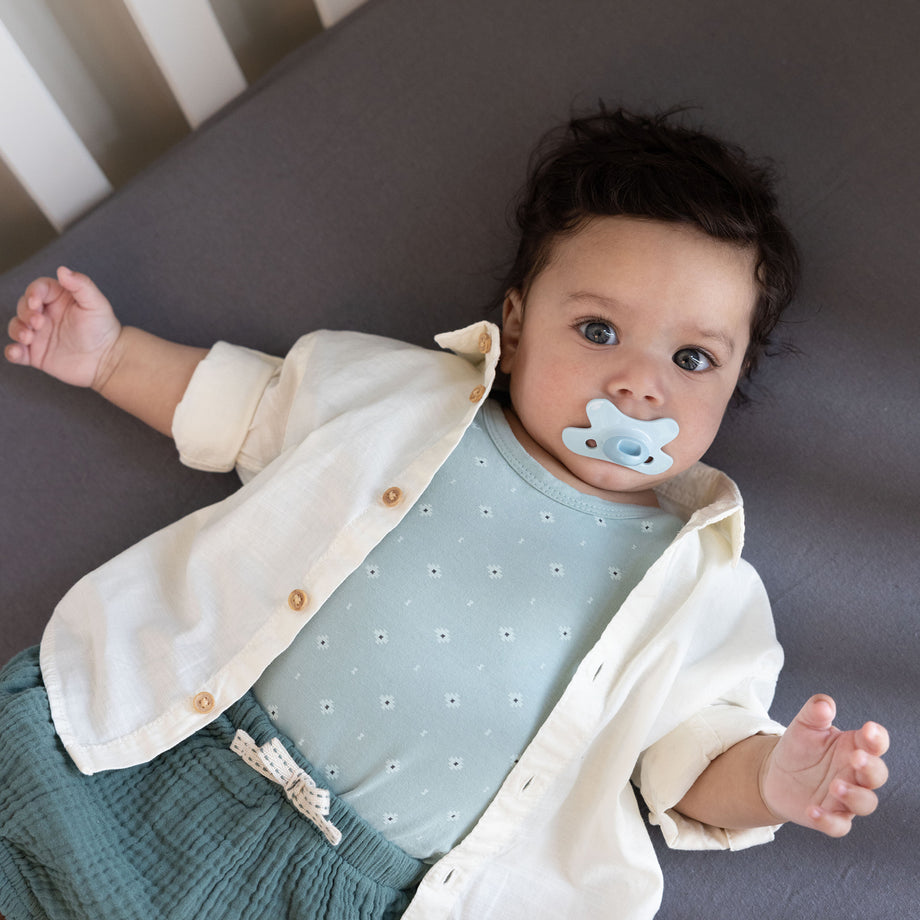
  • The butterfly-shaped shield leaves your child's nose free, which is essential for breathing.

  • Optimal airflow prevents skin irritation.

  • The shield and teat grow with your child's sucking needs and age.

  • 100% BPA-free, meaning the pacifiers are taste, odor, and allergy-free.

  • Developed in collaboration with speech therapists and dentists.

  • Available in various sizes, from Newborn to 18+ months, in Natural, Dental, and Dynamic variants.

Silicone or rubber pacifier?

Difrax pacifiers are made of durable silicone material, making them less prone to tearing than rubber pacifiers. Moreover, silicone pacifiers do not deform like rubber pacifiers.

Pacifier for different ages

Difrax pacifiers, developed in collaboration with speech therapists and dentists, are available in different sizes, from Newborn to 18+ months, in Natural, Dental, and Dynamic variants.

Veelgestelde vragen

How do I choose the right size pacifier for my baby?

To select the appropriate size pacifier for your baby, it's important to consider your child's age and development. Difrax offers pacifiers in various sizes and shapes designed to meet the needs of different age groups. Generally, the younger the baby, the smaller and lighter the pacifier should be.

Every child is unique, but a good guideline when starting to introduce a pacifier is your child's age. For newborns up to 6 months old, a pacifier labeled '0-6 months' or 'newborn' is recommended. For older babies of 6 months and above, you can transition to a larger size pacifier, the '6+ months' pacifier.

For more information on which pacifier is most suitable for your child, you can consult our blog "Which pacifier does my baby need?"

How often should pacifiers be replaced?

We recommend replacing a pacifier every six weeks. Check a pacifier every day before giving it to your child by pulling on the suction part firmly in all directions. If the pacifier is damaged, replace it immediately.

Read more about safe pacifier use.

Is it possible to sterilize Difrax pacifiers?

Yes, it is possible to sterilize Difrax pacifiers. This can be done by boiling the pacifiers for 5 minutes. This eliminates any bacteria or harmful substances, keeping the pacifiers clean and safe for your baby.

You can also use a Pacifier Sterilization Egg. This is faster than boiling. Place one or two pacifiers in the sterilization egg and fill it with water. Close the lid and place the egg in the microwave. Set it for 3 minutes at 800 watts, and the pacifiers will be sterilized.

Does Difrax also offer pacifier cords or clips?

Absolutely! In addition to our pacifiers, Difrax also offers pacifier cords. You attach a pacifier cord to your child's clothing to prevent the pacifier from getting lost or falling on the ground. This keeps pacifiers always within reach! Check out our collection of different pacifier cords, matching your child's outfit.

How do I know when my baby needs to switch to a larger size pacifier?
It's important that your baby can easily keep the pacifier in their mouth. Especially with different sizes of pacifiers, such as the Newborn, 0-6 months, and 6+ months variants, there is a clear difference in size between the shield and the suction part.

Some signs that your baby may struggle to keep the pacifier in their mouth include:
- Visible effort in holding the pacifier
- Quickly spitting out the pacifier
- Imprints of the shield on your baby's cheeks

If you notice one or more of these signs, it's wise to switch to a larger size pacifier.