Postpartum period: how to make the first few weeks as comfortable as possible
You’ve been looking forward to your baby’s arrival for months. And then, the moment is finally here. Suddenly, everything revolves around feeding, changing, cuddling, and getting to know your new life together. And in the meantime, there is also you. Your body has just been through a delivery and needs time to recover. Perhaps you are breastfeeding, sleeping in short bursts, and still discovering what your baby needs. The postpartum period can therefore be very special, but also intensive.
Good preparation is therefore not just about what your baby needs. It is at least as important to think about what can make you more comfortable during the first weeks after giving birth. With these practical tips, you can make the postpartum period just a little easier.
1. Don’t put rest at the bottom of your to-do list
“When the baby sleeps, you should sleep too.” You have probably heard it before. But in practice, it doesn’t always work that way. Sometimes you want to shower, eat in peace, or just have ten minutes for yourself. And sometimes you are so tired that sleep is indeed the very best thing. Therefore, try not to fill every moment with a chore. The laundry can wait. The visitors might be able to come another time. Your body is recovering, and that takes energy. At every quiet moment, ask yourself: what do I need right now? That could be sleep, but also a shower, a meal, fresh air, or just doing nothing for a while.
2. Make sure food and drink are within reach
During the postpartum period, a day can go quite differently than you had planned. Especially when breastfeeding, it can feel like you are busy feeding all day long. Therefore, keep a bottle of water and something to eat in the places where you spend a lot of time. You can prepare meals in advance and freeze them. Are you already in the middle of your postpartum period? A pot of soup, lasagna, or curry from the freezer can be the nicest postpartum gift. So, feel free to ask family or friends to bring a meal instead of a gift for the baby.
3. Let others help, even if you can do it yourself
You don’t have to do all the housework yourself. Are you being offered help? Make that help as concrete as possible and ask someone to:
- bring groceries;
- cook a meal;
- do the laundry or vacuum;
- give an older brother or sister some attention.
Asking for help is not a sign that you can’t handle it. It is actually a way of taking good care of yourself and your baby.
4. Prepare not only for your baby but also for your recovery
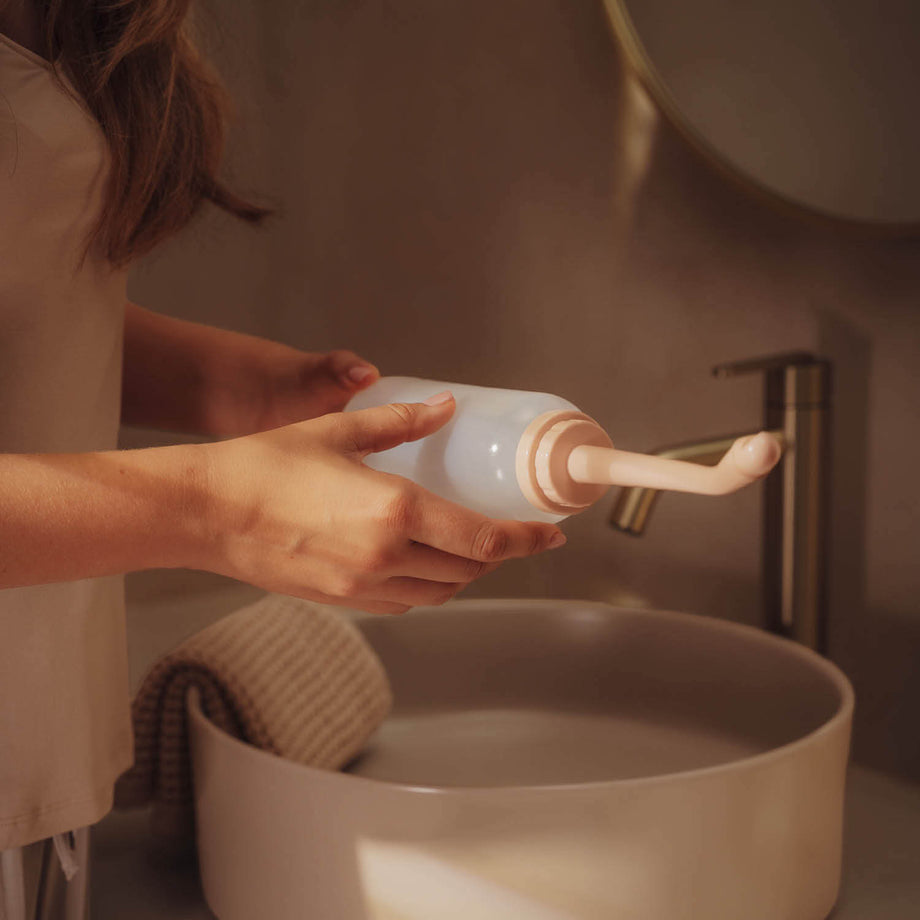
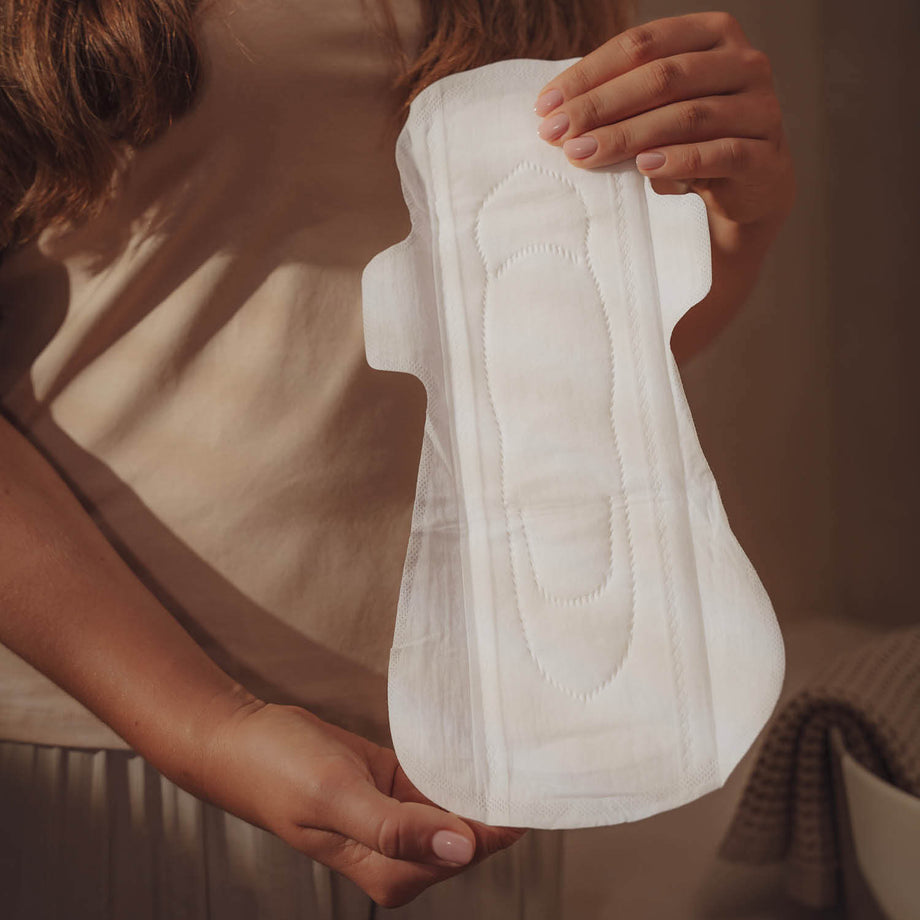
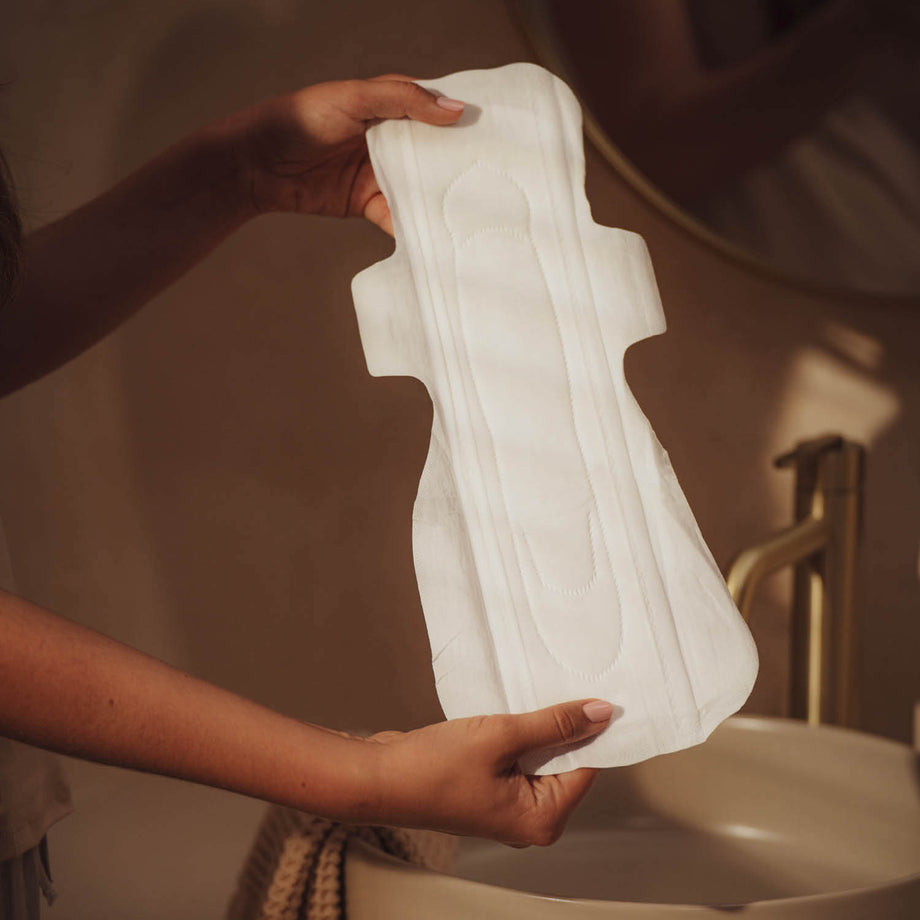
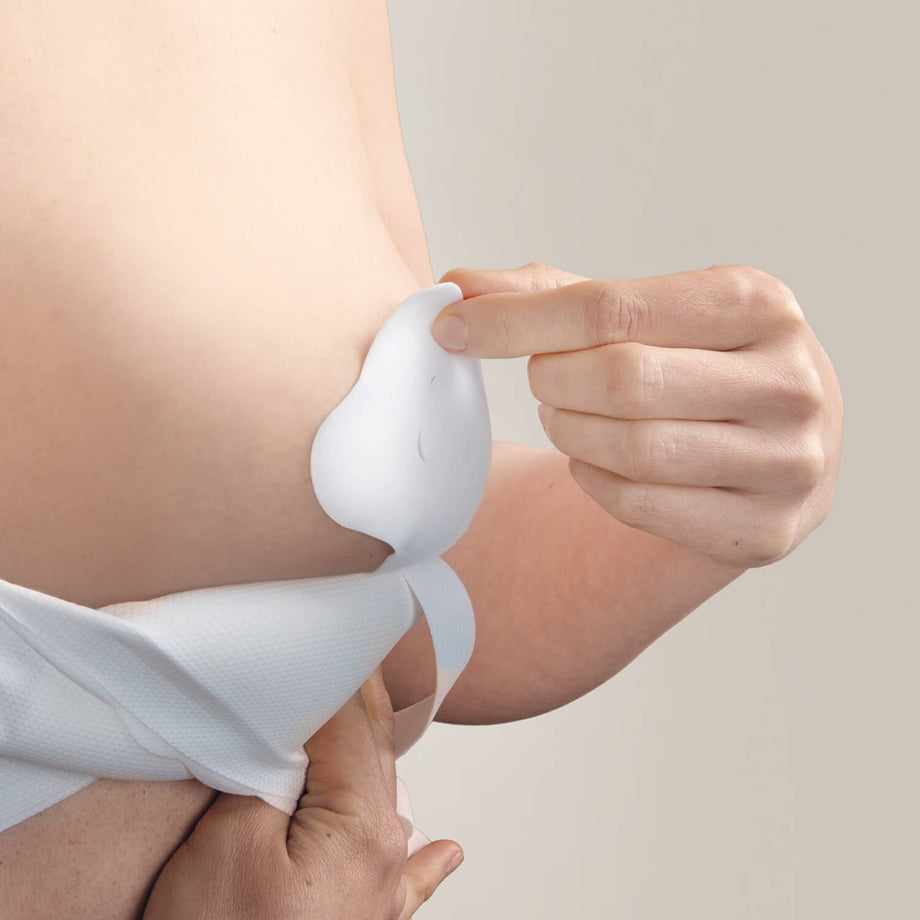
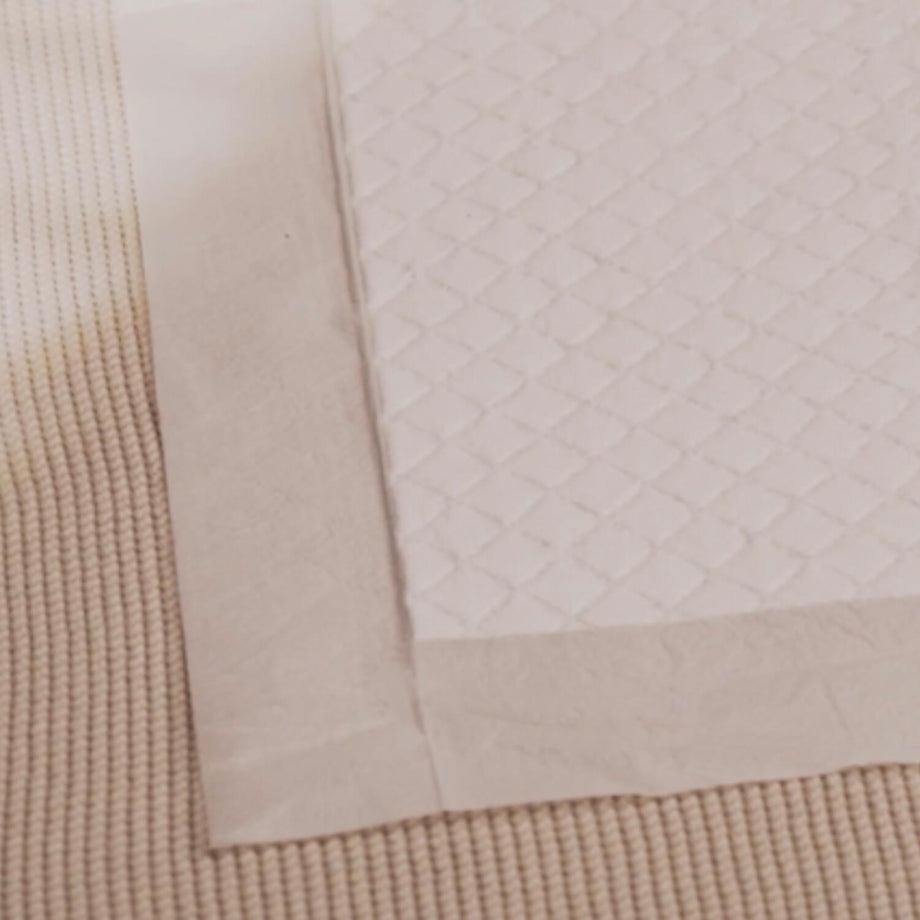
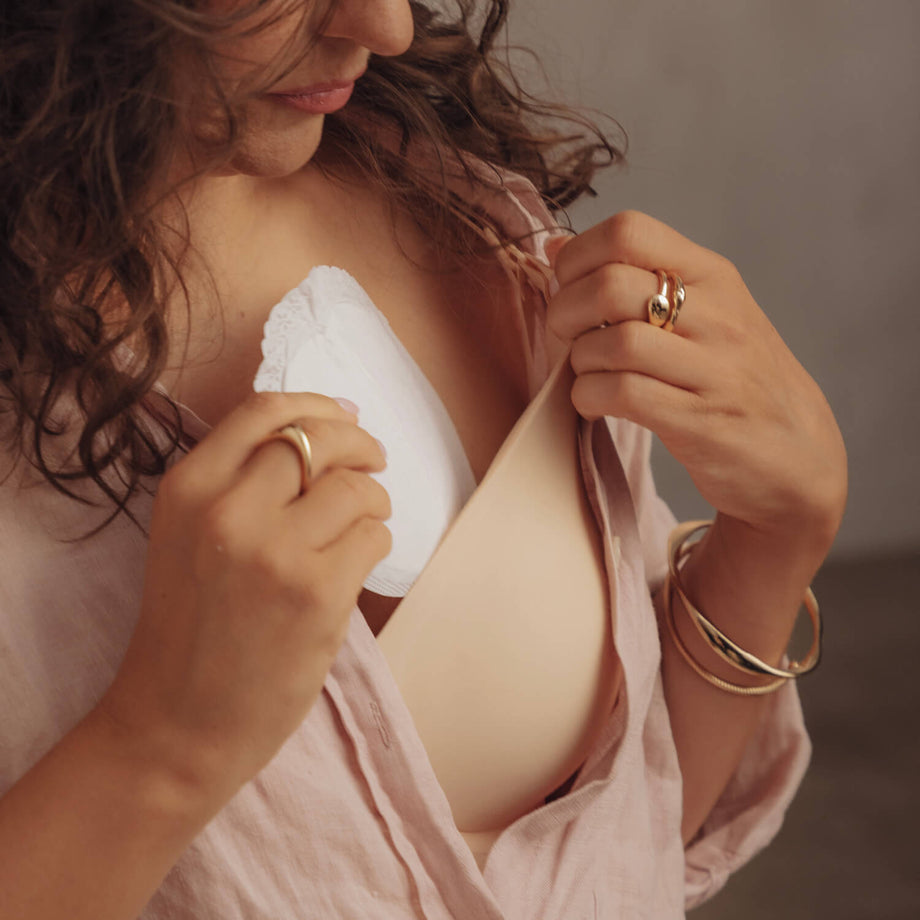
When preparing for the arrival of a baby, you probably think of diapers, onesies, muslin cloths, and a nice place to sleep. But what will you need? After giving birth, you may deal with blood loss, sensitivity, or pain. Also, when breastfeeding, sensitive nipples, full or tender breasts, and milk leakage can occur. Therefore, it is nice to have a number of practical care products at home in advance. Think, for example, of maternity pads, intimate care products, nursing pads, and care for sensitive nipples. That way, you won't have to go looking for them in the middle of the postpartum period.
5. Make your (breast)feeding spot as comfortable as possible
A feeding can sometimes take surprisingly long. Especially in the first weeks, you will regularly find yourself in the same spot for a while. Therefore, create a nice place where you have everything at hand. Think of:
- a bottle of water;
- a snack;
- a number of muslin cloths;
- nursing pads;
- possibly a nursing pillow;
- products for breast care.
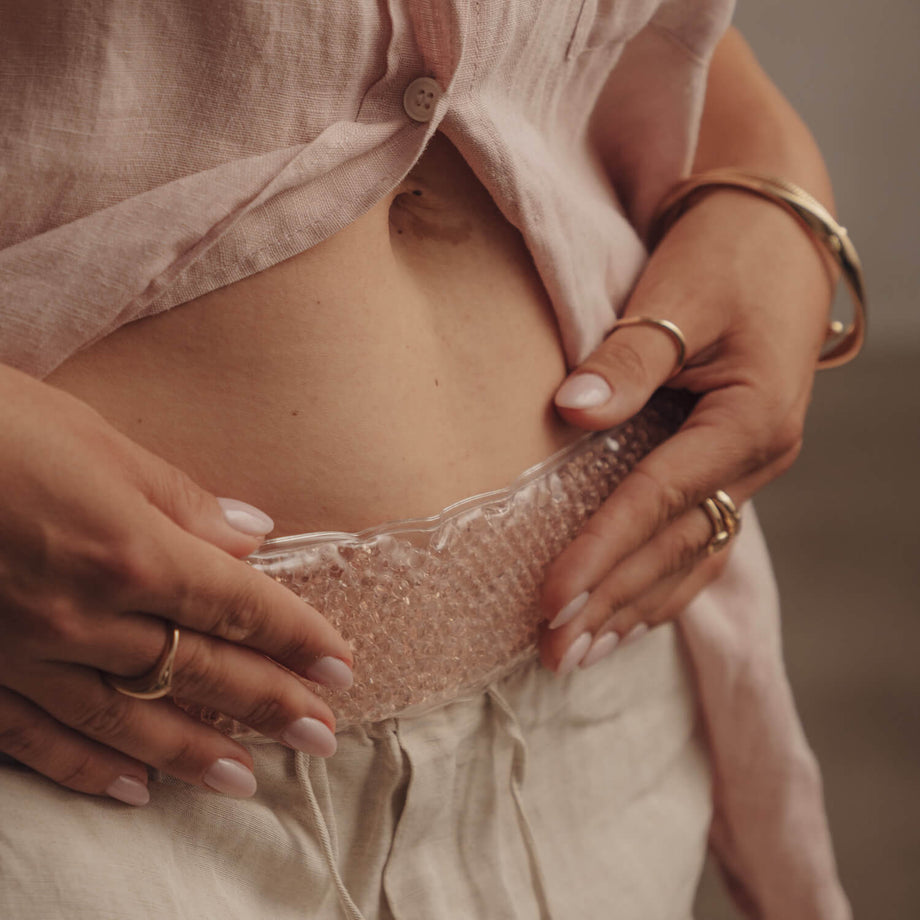
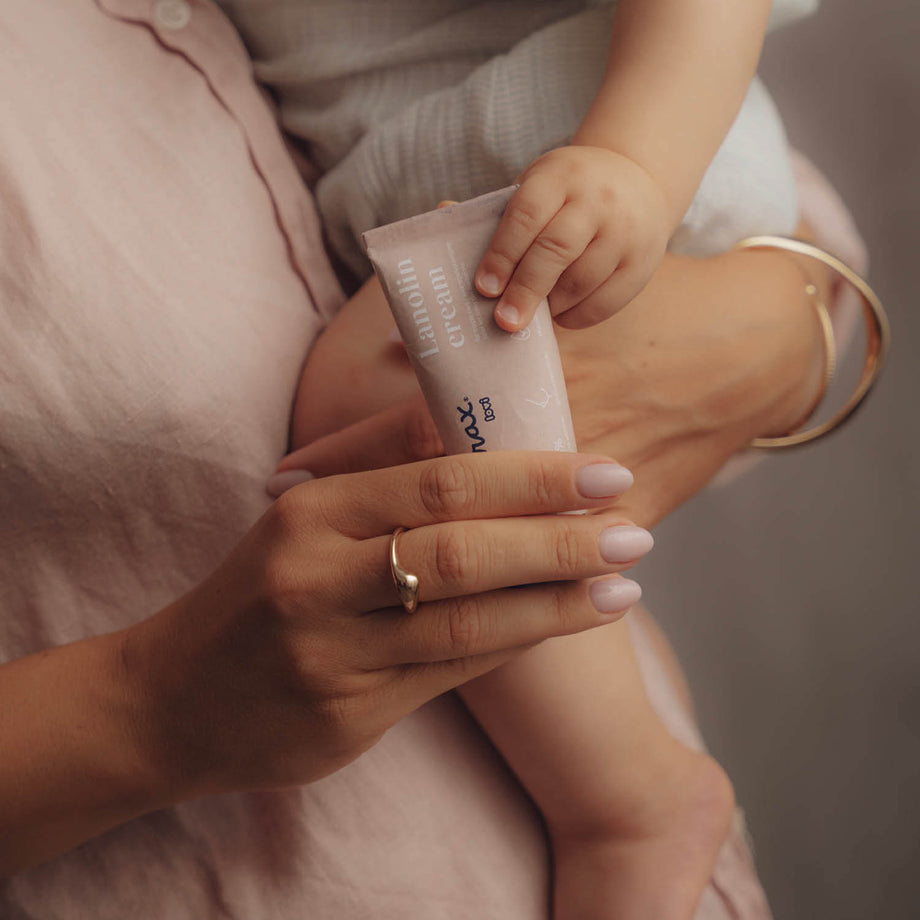
Do you suffer from sensitive breasts? Then warmth or cooling might be pleasant. For sensitive nipples, care with, for example, lanolin can offer support. The most important thing: make yourself as comfortable as possible.
6. Don’t expect a perfect postpartum week
This might be the most important tip. The postpartum period doesn’t have to be how you imagined it beforehand. Maybe breastfeeding is going differently than expected. Maybe the laundry is piling up. Maybe you are incredibly happy and at the same time find yourself crying regularly. Maybe you love being a mother and also find some moments tough. All of that can exist at the same time.
You don’t have to enjoy every day. You don’t have to have everything under control. And you certainly don’t have to be your old self again within a few days. Recovery takes time.
7. Talk about how you feel and ask for help when needed
The postpartum period is not a time when you have to do everything right. It is a period where you are allowed to recover, get used to things, enjoy, explore, and sometimes just not know what you are doing. You don’t have to keep physical or emotional complaints to yourself. Are you doubting your recovery, are you in a lot of pain, are you feeling very emotional, are you worried about blood loss, or is breastfeeding not going as you had hoped? Discuss your questions with your midwife, maternity nurse, GP, or lactation consultant. Healthcare professionals are there to support you during this period. You don’t have to do it alone.
Discover Difrax LOVI MamaComfort
Do you want to know more about the products that can support you during the postpartum and breastfeeding period?

Debbie Moerings
As a mother of a son, I have tested many products myself and have therefore built up extensive knowledge about baby products. I understand the questions and challenges parents face and regularly share tips and advice on social media. I have been working at Difrax for years as an all-round marketer, where I use my experience and knowledge to make daily life with your baby easier and more fun.