What is formula feeding and when would you choose that?
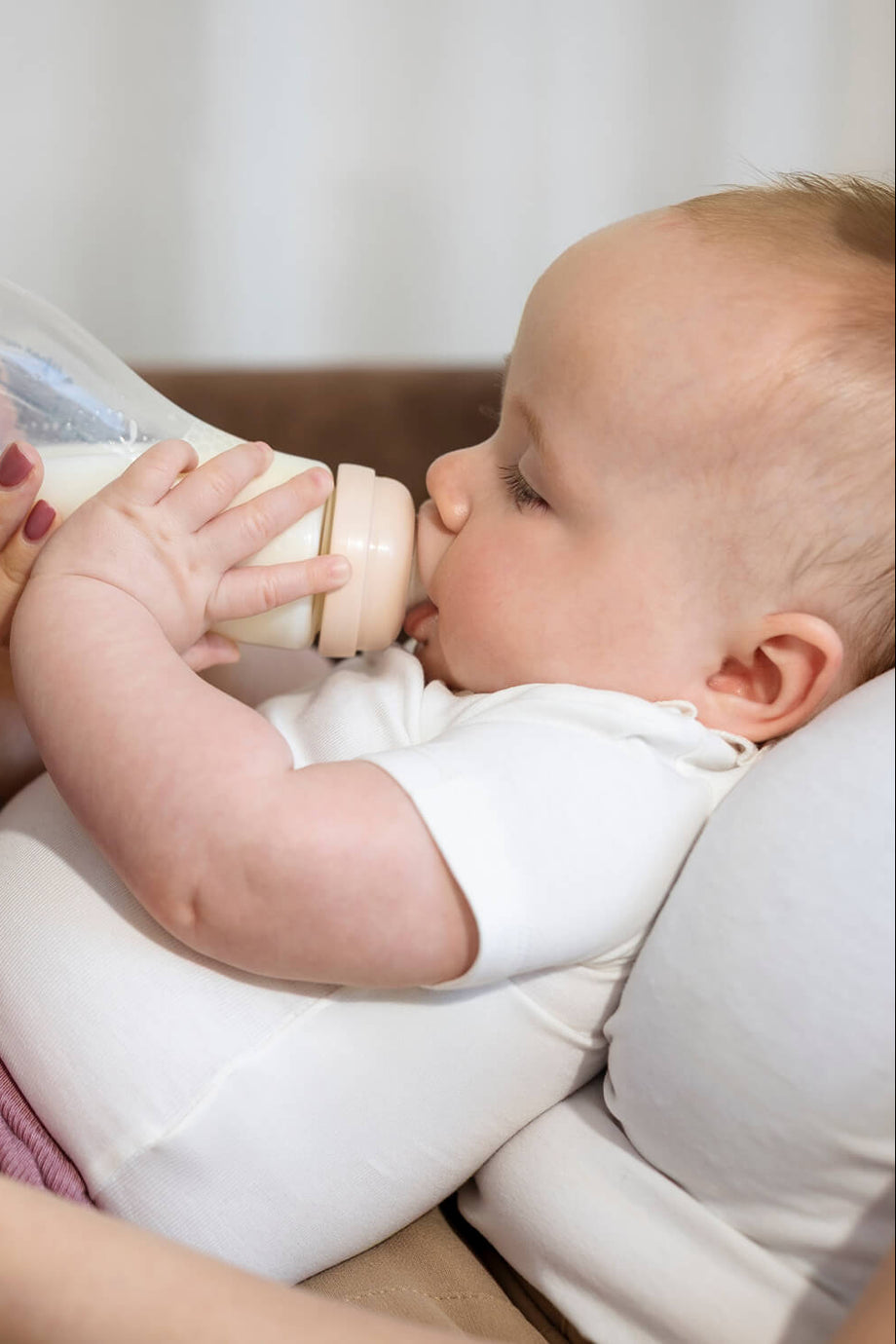
What is formula feeding and when would you choose that? Formula feeding is artificial baby food that you prepare in a baby bottle. This feed gives your baby nutrition that he or she needs.
There are different types of formula feed. There is for example standard formula, hypoallergenic formula for children with food allergies, and anti-reflux formula, which helps children that often throw up.
Many parents choose formula feeding when breast feeding doesn't work for medical reasons. This can be the case when the milk production is lacking. When both parents want to feed the baby, bottle feed is also a good option. This a safe choice that allows you to feed your baby in a relaxed manner.
Advantages to formula feed compared to breast feeding
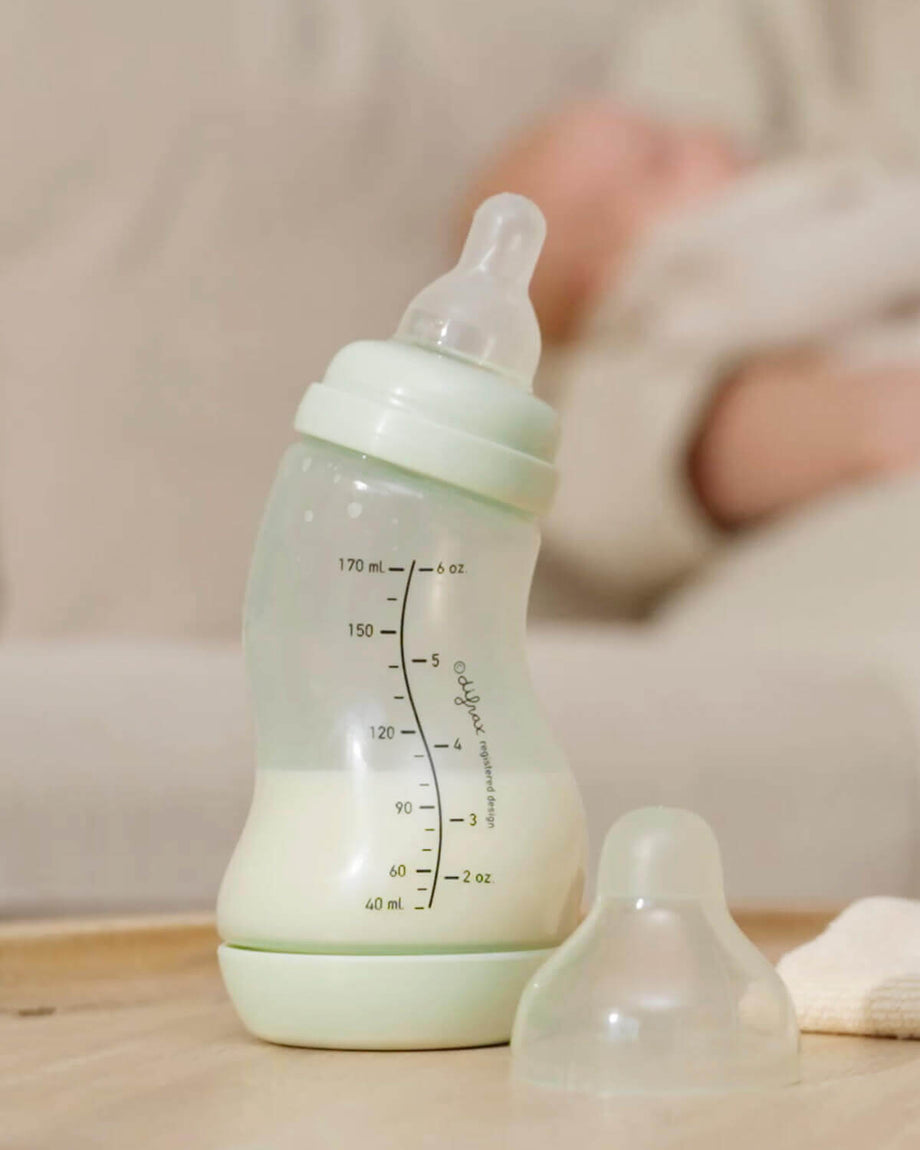
Formula feeding has various practical advantages that make the feeding calmer and more controlled for many parents. Formula feeding is carefully measured up which means that you can see how much your baby drinks.
This makes it easy to make sure that the amount of food your child is receiving matches his or her needs. Using formula feeding means that partners, family members, or childcare providers easily can feed the baby, making it easier to share feeding responsibilities with other people.
In this way, formula feeding offers greater flexibility during the day. The physical pressure on the mother is reduced such as during recovery from childbirth or when the mother needs extra rest. This way, a feeding routine develops that suits your rhythm and your baby's.
The nutritional value of formula milk
Standard formula feed contains nutrition that is carefully based on what a baby needs in his/her first months. The proteins in formula feed is based on the digestion of small children. It contributes to healthy growth,
Fats offer energy and support the development of the children's brains. Carbohydrates that come from lactose offer a good, digestible source of energy.
Formula feed also contains important vitamins and minerals such as vitamin D, calcium and iron. These substances contribute to a strong immune system and the bone development in your child. All formula feed is carefully controlled. During this control, the composition and safety are checked making sure that your baby receives what he or she needs to grow properly.
Formula feed and feeding schedule for babies
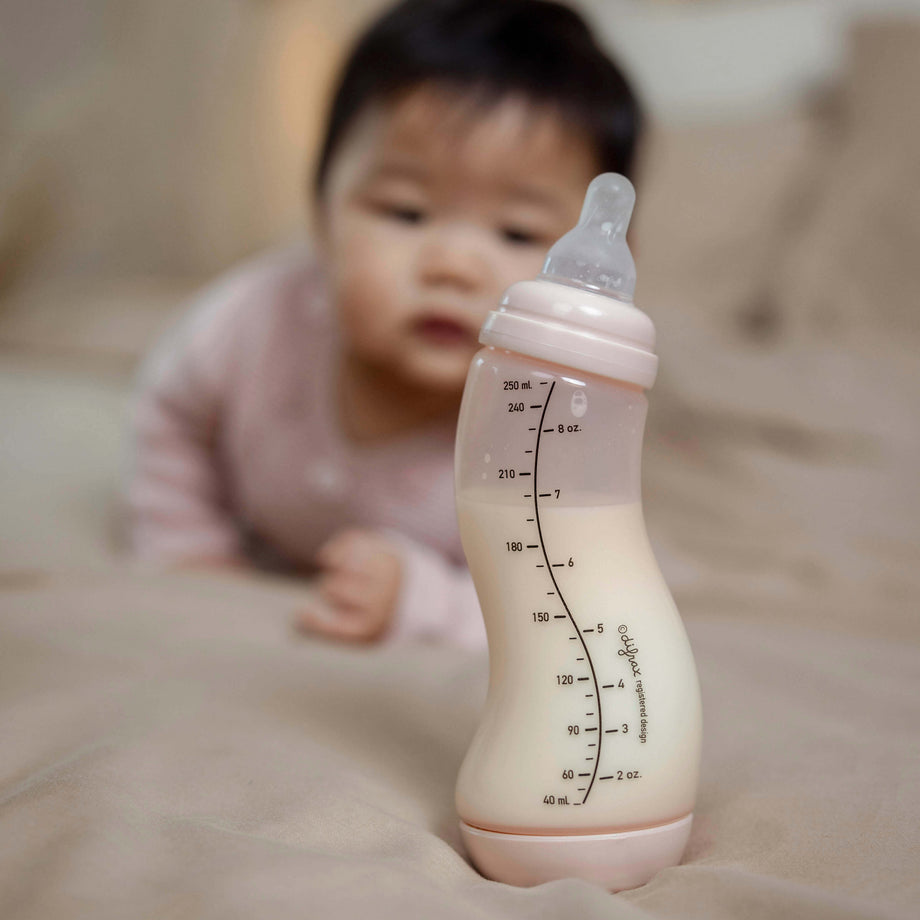
The amount of formula feed that a baby needs depends on the child's age. Newborns normally feed 6 to 8 feeds a day. At that stage, they drink small amounts of 30 to 60 millilitres per time.
From 4 to 6 weeks, the amount the baby drinks rises to approx. 90 to 120 millilitres per feed, spread over 5 to 7 feeds per day. From 3 months, many babies drink 150 to 180 millilitres per time.
At around six months, children drink approximately 180 to 210 millilitres per bottle depending on when you start feeding the baby solids.
All amounts mentioned are average, based on the guidelines from health visitors and others. There are also clear instructions indicated in the child health guidelines for infant nutrition. Every child is unique and their needs are different.
Be very observant of your baby's needs when giving bottle formula.
It is very important to pay attention to your baby: all children have their own feeding rhythms and their own needs. Some parents practice on-demand feeding, which means that you feed your baby whenever they show signs of hunger.
Other parents prefer sticking to a feeding schedule that offers predictability. In the end, your baby will be the one who knows what he or she needs.
By being very observant on signals of satiety and drinking pace, the right rhythm will come by itself. Also make sure that your baby grows as expected. If he or she falls behind in their growth, this can be a sign that your child needs more nutrition.
Practical tips for when you want to bottle feed
To ensure relaxed feeds it is important to pay attention to a few simple but necessary things. Always prepare the formula according to the instructions on the packet and make sure that the water that you are using is around 37 degrees. In the end, the formula should be around body temperature
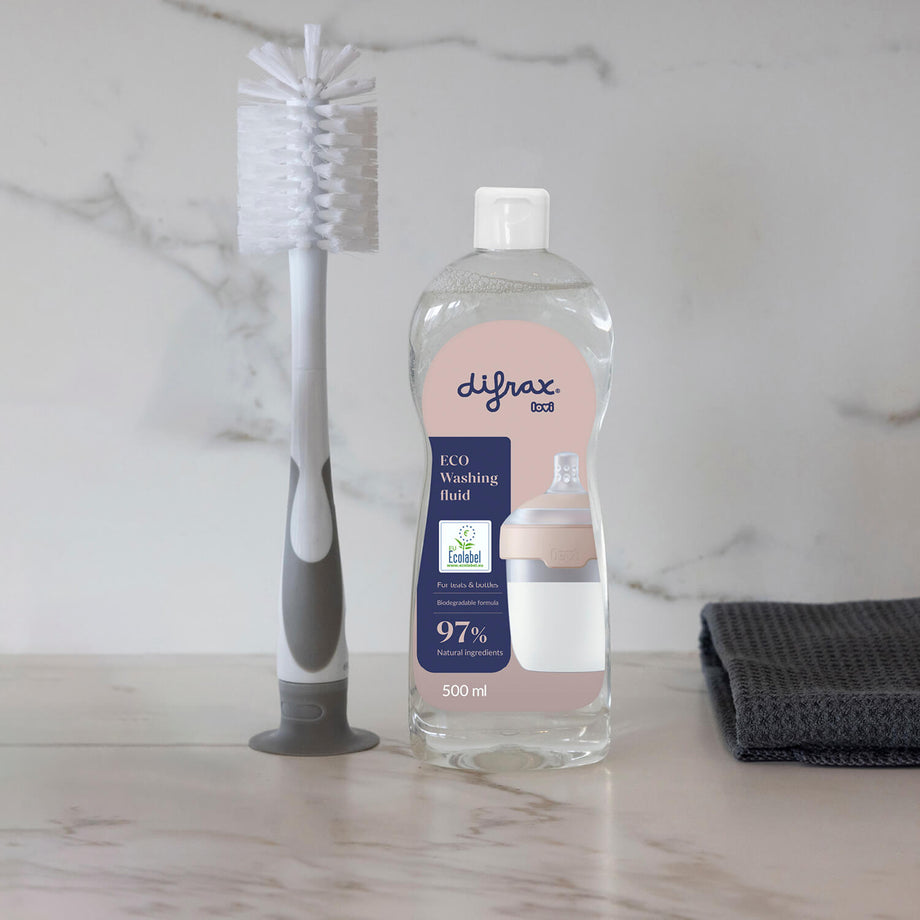
Keep prepared formula milk at room temperature for no more than one hour and always throw away any leftovers. Keep bottles and teats thoroughly clean by rinsing and washing them properly immediately after use and sterilising them regularly.
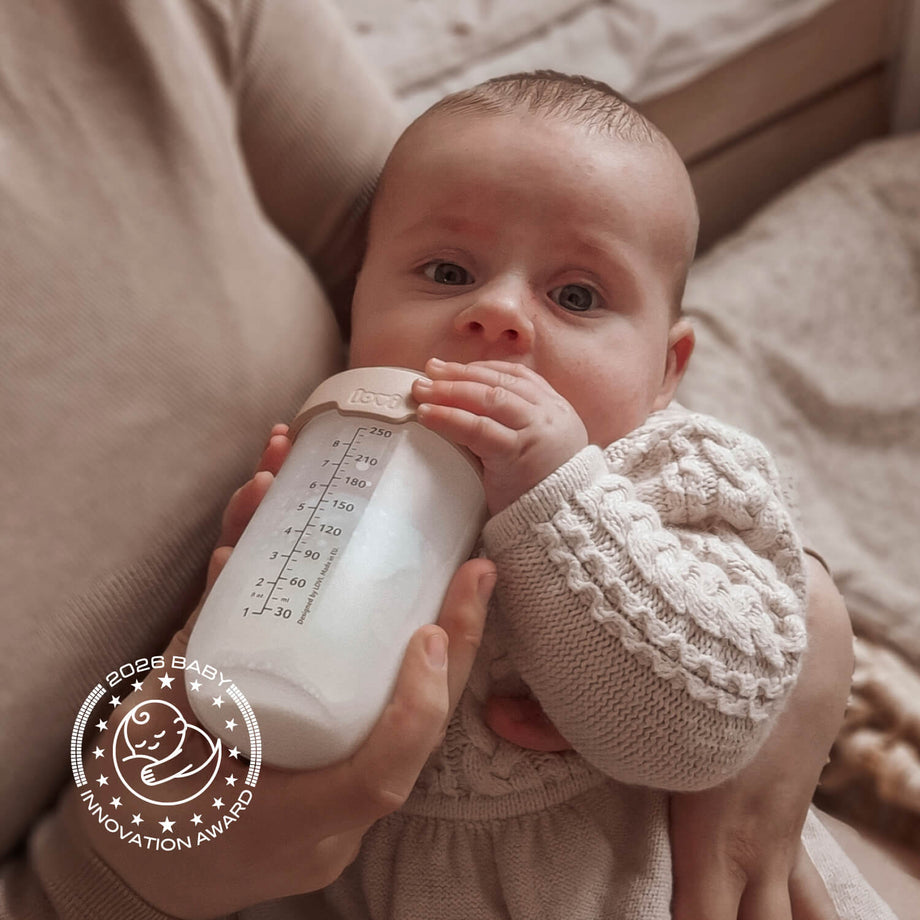
It is important that your baby feels that you are calm during feeds: hold you baby close, keep eye contact and take time to feed him/her. Change positions regularly, and sit more upright if your baby often has reflux. Hold your baby upright against your shoulder so that the baby can burp now and then. This way, the feeding remains comfortable for you and your child.
How to choose the right bottle and a good teat?
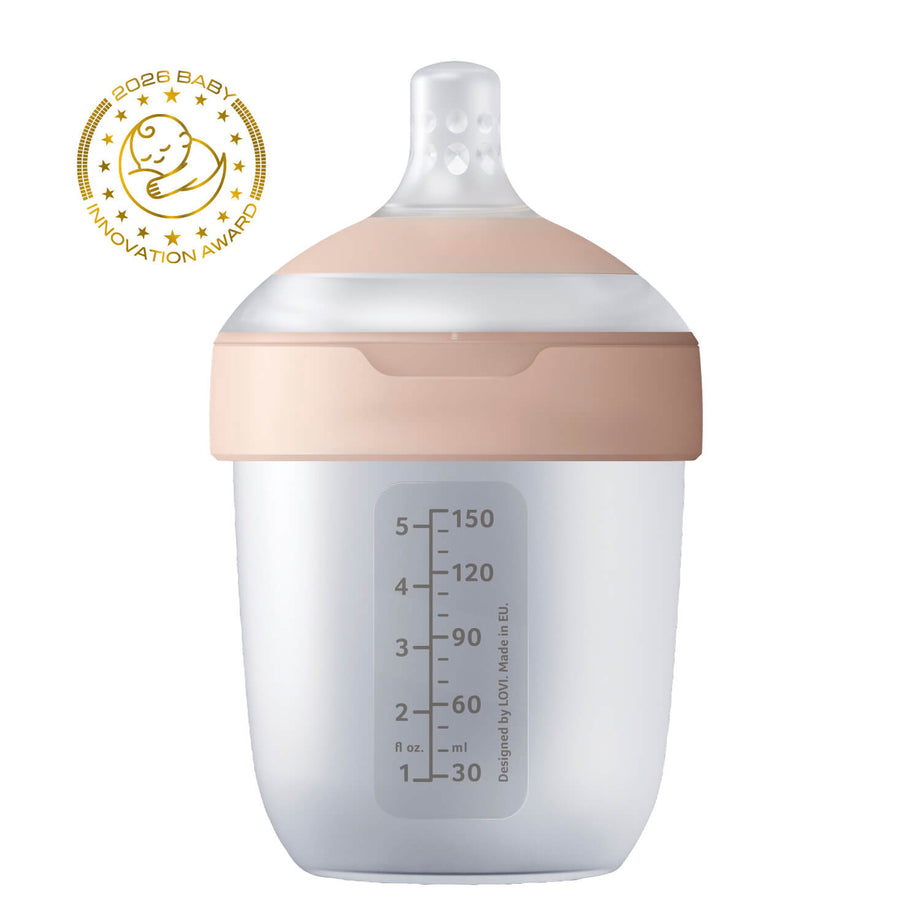
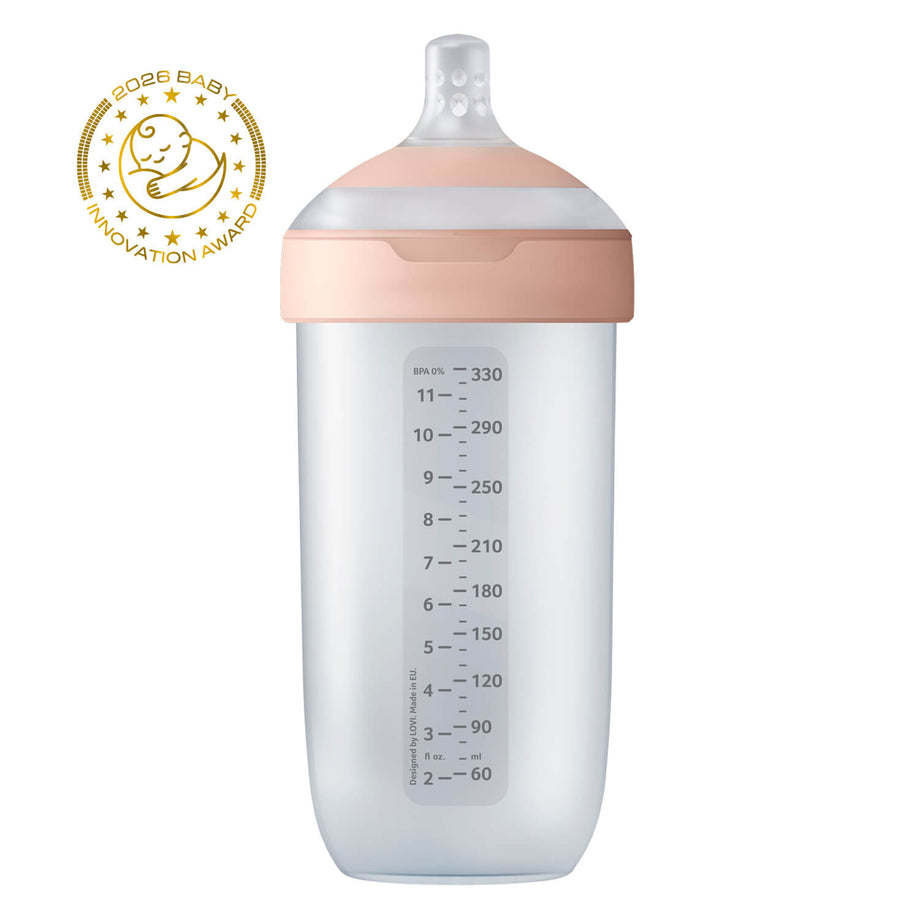
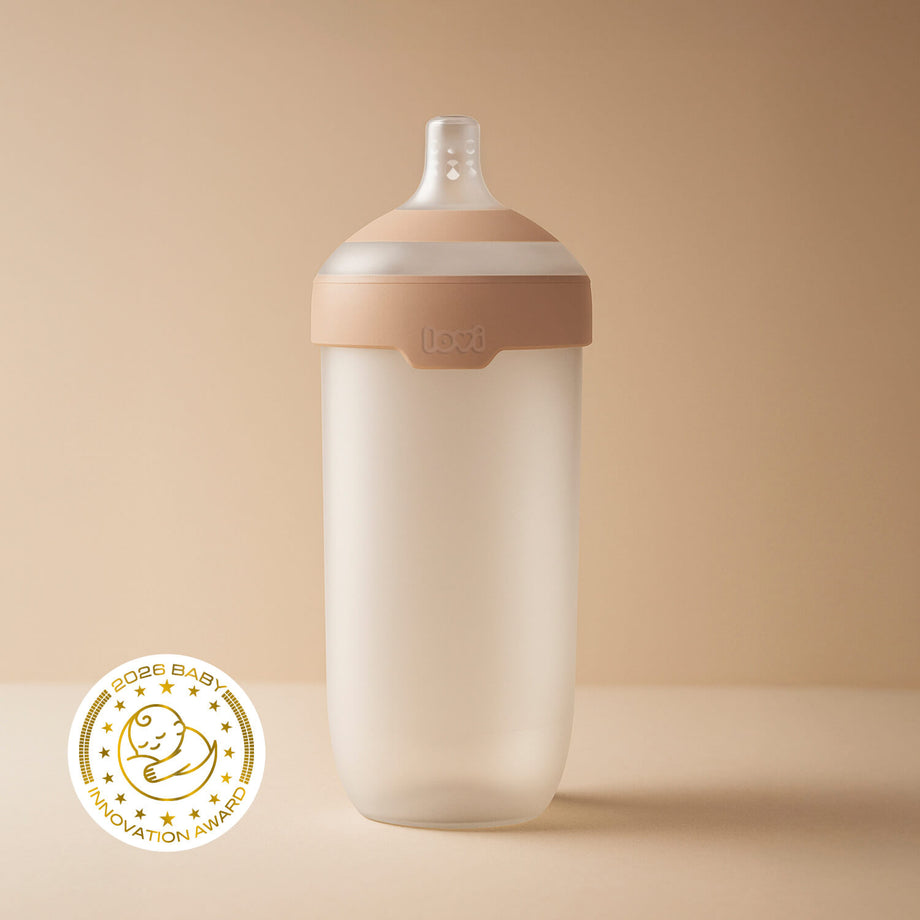
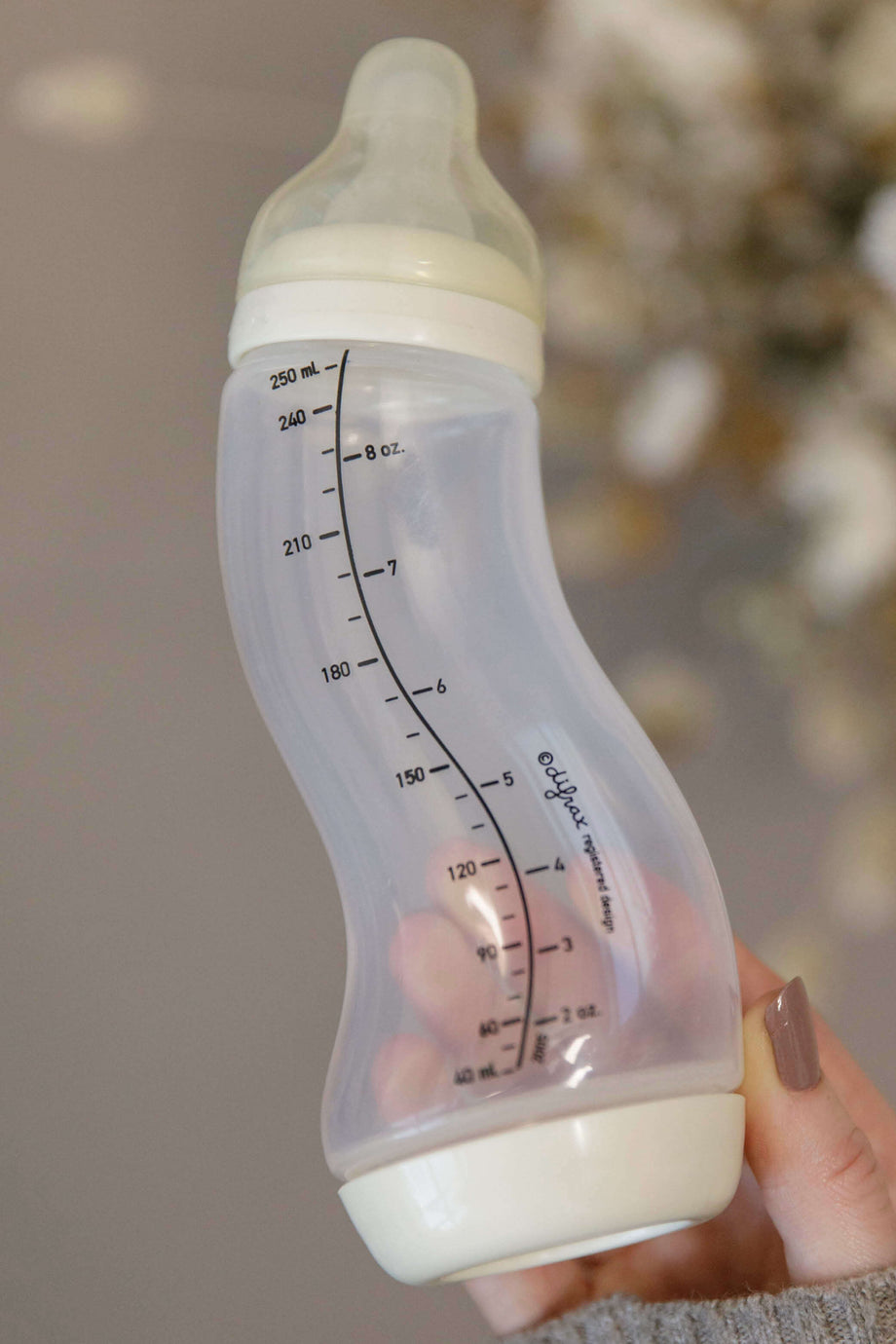
When choosing the right bottle, there are several things to keep in mind. Glass lasts well and is easy to keep clean, while plastic bottles don't weigh much and are easy to use. Anti-colic bottles reduce the air intake which helps to reduce restless drinking.
The shape of the teat and drinking speed are also important: young babies benefit from a slow milk flow, whereas older children often have more strength and drink faster. Therefore, they are able to handle a faster milk flow.
Since every baby has their own feeding pace and preferences, it's sometimes a matter of trial and error to find which baby bottle works best. Do you want to be sure which bottle is right for your child? If you have questions, contact us and order the ideal bottle from our webshop.