

Bottle refusal
Have you ever experienced this? You get behind the wheel, sweat breaking out, knowing you have to drive because otherwise you won’t reach your destination. You have very little experience, as you’ve only been driving for a few weeks.
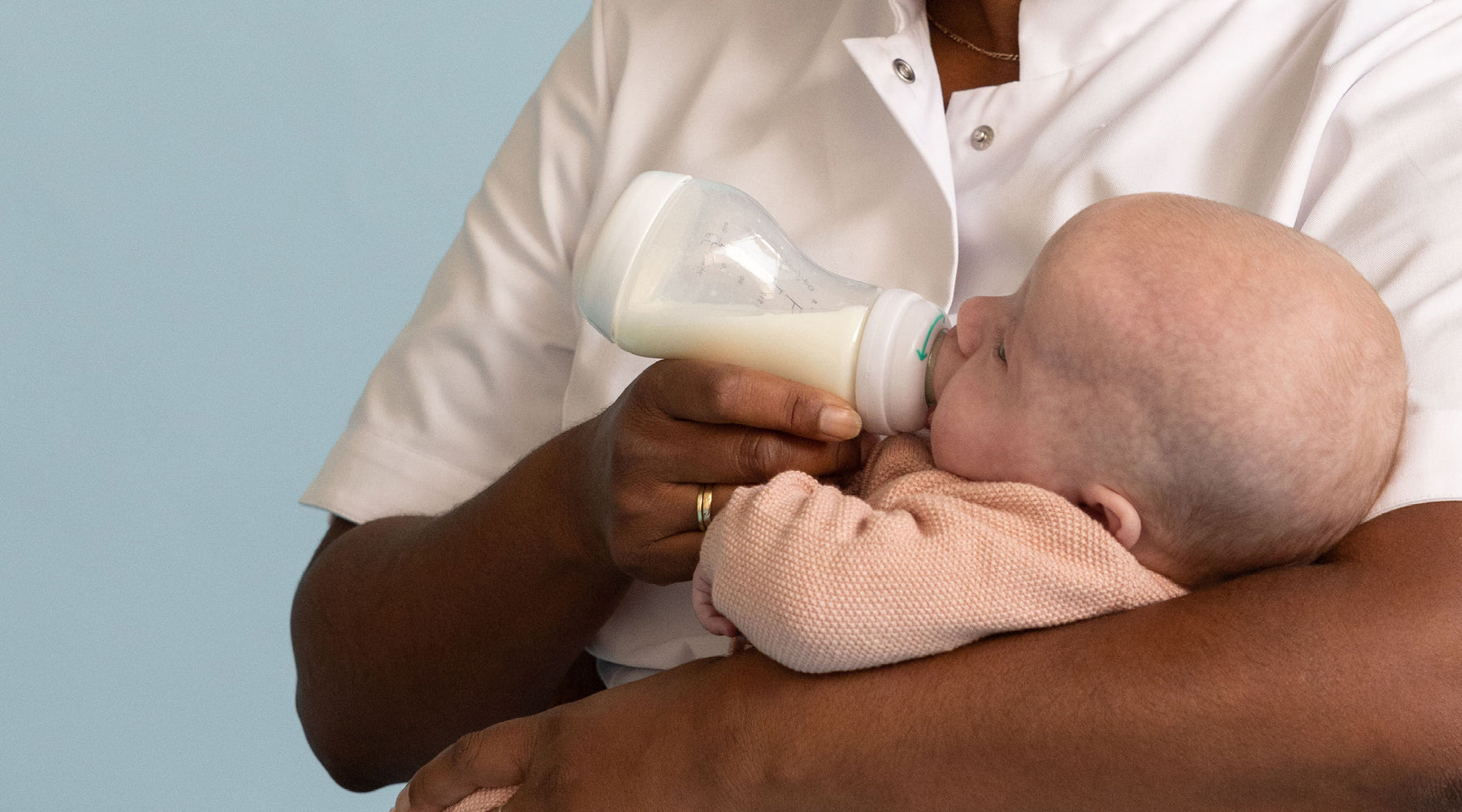
Now, imagine being a baby. A bottle teat is placed in your mouth and you are expected to finish in about fifteen minutes, ideally without spilling or spitting up.
WHAT?! Can someone please explain to me how this is supposed to work? How does this silicone thing, which vaguely resembles the warm, perfectly fitting breast of my mom, even function?
Am I making sense so far? Great! In this blog, I would like to guide you through the theory of “bottle refusal.”
Let me first clarify: this information applies only to breastfed babies who feed perfectly at the breast but experience difficulties with bottle feeding. Babies who also have breastfeeding issues, or who have never been breastfed, will not benefit from the tips below.

The importance of the sucking reflex
A baby is born with several reflexes and feeding is one of the primary reflexes. From birth, the baby no longer receives nutrients via the placenta and must feed independently. This happens through the sucking reflex which triggers the sucking motion whenever something enters the mouth.
We distinguish non-nutritive sucking from nutritive sucking. Non-nutritive sucking requires a completely different coordination than nutritive sucking, meaning that using a pacifier (non-nutritive sucking) cannot improve feeding technique.
The sucking reflex doesn’t last forever
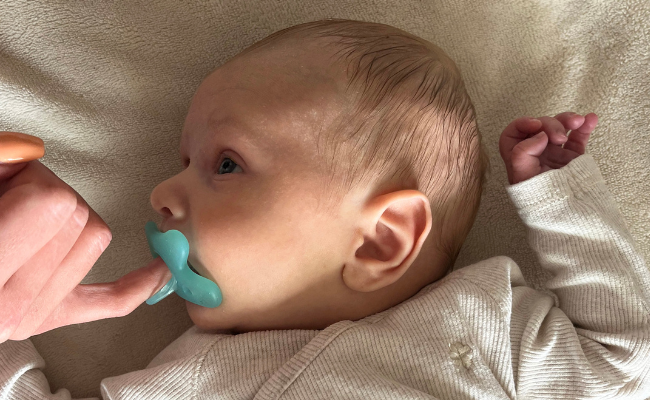
The sucking reflex gradually disappears, usually starting around 8 weeks of age. From that point, the reflex becomes weaker and by 3 to 4 months it is typically gone. You can easily check this yourself: if your baby does not immediately start sucking when you place a finger in their mouth, the reflex is likely already diminishing. This is completely normal and not a problem. Reflexes need to disappear as the nervous system matures, allowing voluntary motor skills to develop.
After the reflexive period, sucking becomes consciously controlled by the brain. The baby can decide when to start and stop sucking, much like we control how we chew food and how forcefully we do so.
Why bottle feeding can be difficult
When it comes to breastfed babies who refuse the bottle, we often see that these babies cannot feed from a bottle. During the reflexive period, the bottle was offered too late, too rarely, or not at all. This means they didn’t have the chance to develop a motor pattern via the reflex that they could later use once the reflex disappeared.
This explains why they feed perfectly at the breast but not from a bottle. A nipple and a bottle teat are completely different and the motor processes cannot be compared. Breastfeeding is driven by let-down reflexes, requiring several non-nutritive sucks before milk flows, while bottle feeding provides a continuous flow. This is an important difference in motor coordination.
My 5 most helpful tips
Here are some tips to help if your baby refuses the bottle. Remember: consulting a preverbal speech therapist is always recommended for personalized guidance.
- Offer the bottle when your baby is 4 to 6 weeks old. Six weeks is on the later side, as the reflex may already be diminishing for some babies.
- Offer the bottle every other day so the motor pattern has enough opportunities to develop.
- Do not switch bottle teats. Start with a slow-flow teat to encourage effort.
- Choose a different feeding position than used during breastfeeding.
- If the baby still refuses, select one teat and practice multiple times a day by offering the bottle first during a feeding session. You may still breastfeed afterward, but allow a pause to avoid associating the two.
If bottle feeding problems persist, contact a preverbal speech therapist. We can usually help quickly, reducing stress for both baby and parent.
Want to learn more?
In my book “The Essential Guide to Oral Motor Skills and Feeding in Babies and Toddlers”, you will learn everything about this topic, as well as how your child’s oral motor skills develop step by step and why this is crucial for feeding, speech and much more. Goog to know, this book is written in Dutch.
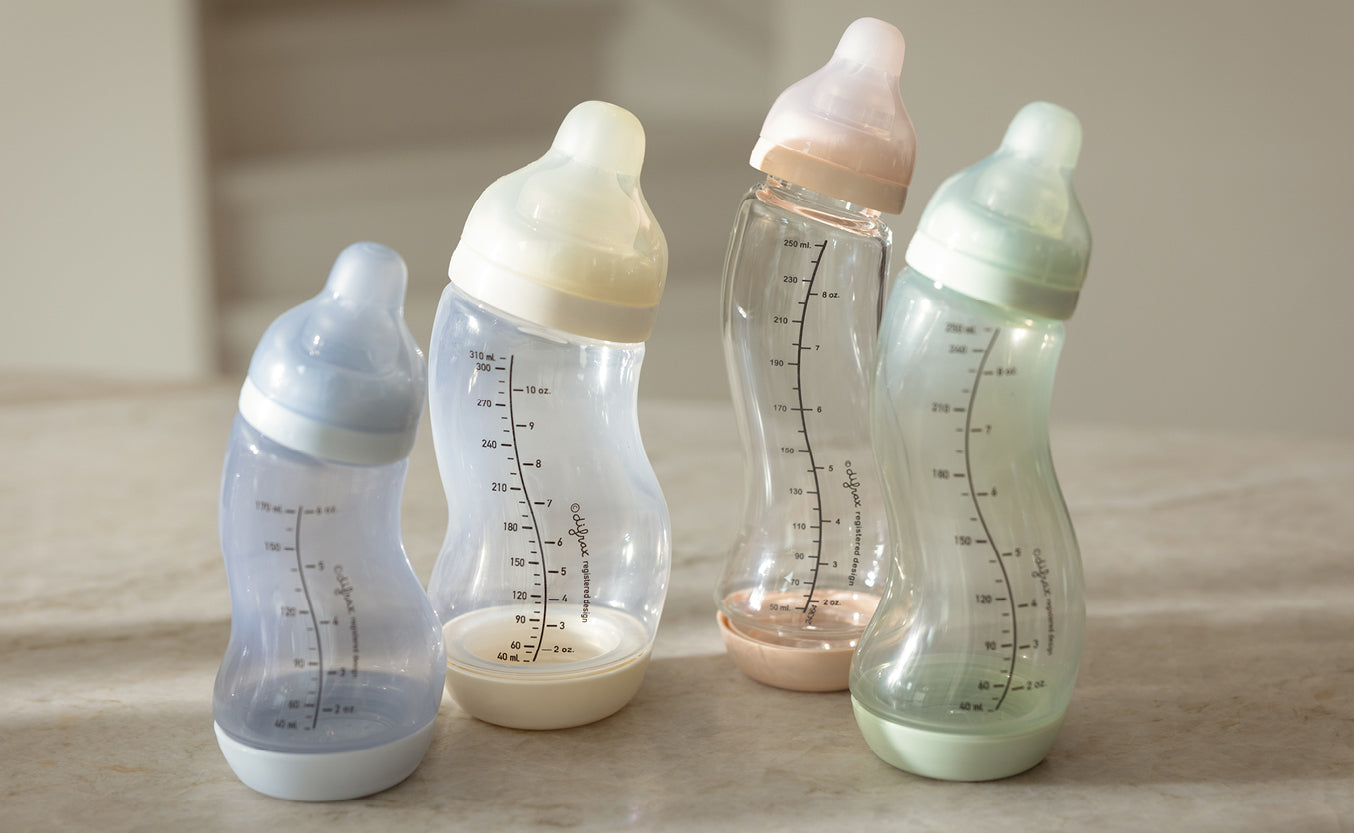
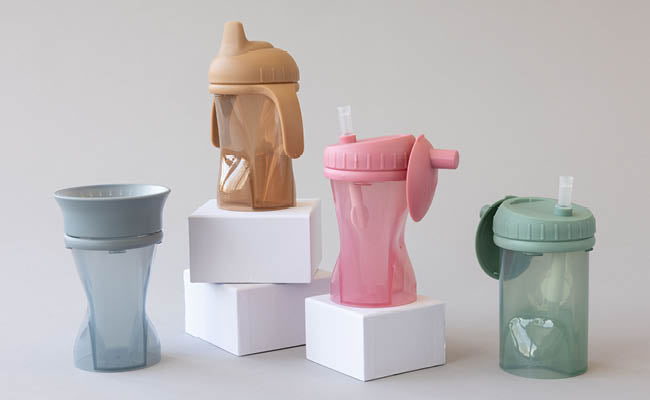
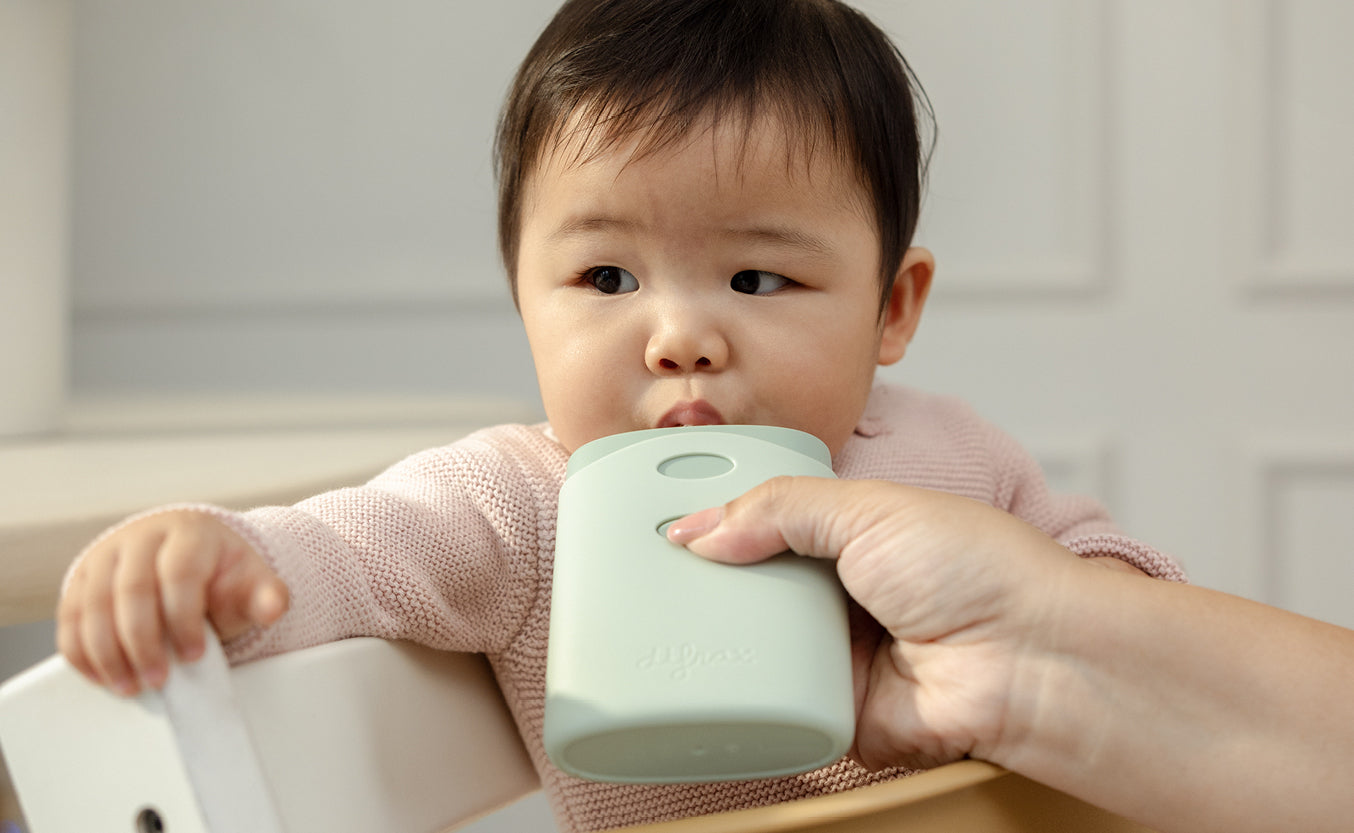
If you are exploring bottle options, check out the Difrax bottle range.
About Céline

Céline Ruysschaert graduated as a speech therapist from Artevelde University College in Ghent. She coordinates practices in Avelgem, Vichte, Kerkhove and Kortrijk. Céline is part of a specialized speech therapy team for children, adolescents, and adults, with a specialization in preverbal speech therapy, focusing on feeding and swallowing difficulties in children (starting from infancy).