






When can you switch to teat 2?
When your baby grows, the drinking behaviour changes. A teat that worked perfectly in the beginning can lead to a slow milk flow after a while which makes drinking stressful or tiring.
Teat 2 results in a somewhat faster milk flow and can make the feeding more comfortable when the baby is ready for it. Switching at the right time helps the drinking process go smoothly. This prevents frustration both for you and your baby.
What does the teat number mean for baby bottles?
The numbers on the teats for baby bottles indicate how fast the milk flows through the teat. This type of teat is meant to follow the age and the drinking strength of the baby.
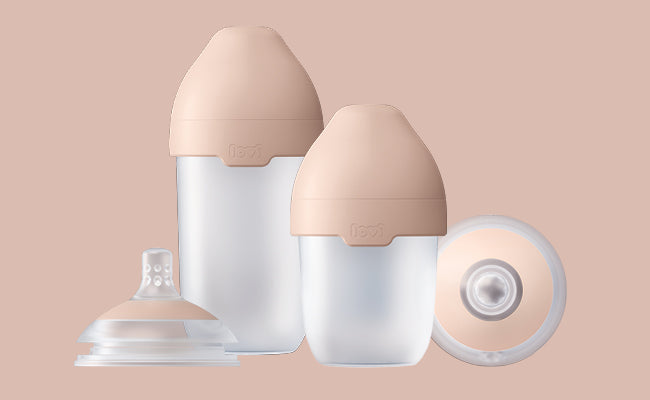
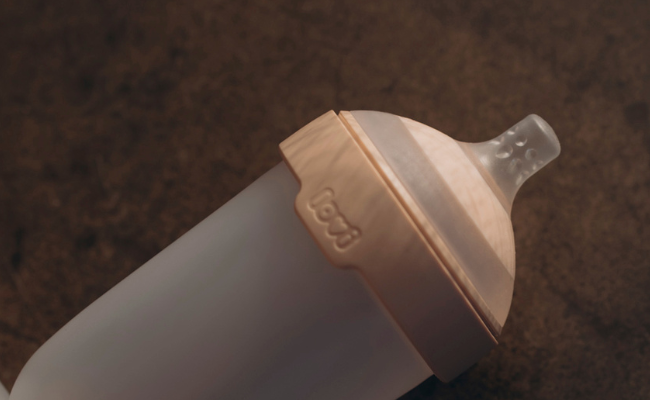
A teat with a low teat size, such as teat 1, has a small opening. This means that this teat has a slow milk flow that is suitable for newborns. The higher the size number is, the larger the opening becomes and the faster the milk flows. And it means your baby doesn't have to work so hard to get the food in. Also pay attention to the thickness of the feed.
Teat numbers help you to move along with your baby's development step by step. This way, every feeding stage becomes as comfortable as it can be.
When should you make the transition from teat 1 to teat 2?
Most often, you transition from teat 1 to teat 2 when you notice that it becomes harder to drink than before. When the feeding starts taking much longer, your baby becomes restless during feeds or has to work much harder to get milk inside him or her, this is often a sign that the milk is flowing too slowly.
Also when your baby still seems hungry after a meal or becomes frustrated during feeding, this is often an indication that the teat size no longer is suitable for your baby's suction strength. This transition often takes place when the baby is three months old but always take your cue from the baby's drinking behaviour.
Indications that your baby is ready for a faster flow
Your baby shows in a variety of ways that he/she is ready for a faster milk flow. Sometimes, you may notice that your baby gets more distracted during feeding or lets go of the teat more often. This is not because your baby is full but because the milk flow is not suitable for the feeding speed of your baby.
Sometimes, your baby becomes restless at the beginning of the feed, which is normally when the thirst gets quenched. Another indication is that your baby frequently takes short gulps instead of drinking at an even speed. It may feel like your baby is never going to find a comfortable drinking tempo. If the drinking regularly is interrupted without any obvious reason, this is often an indication that the milk can flow a little faster. Make sure that your child is not choking.
How do you prevent choking when you switch to teat 2?
When transitioning from teat 1 to teat 2 you can try to prevent choking by offering the first feed in a calm and controlled manner. Hold your baby more upright so that it becomes easier to swallow.
Preferably start with a new teat when your baby is not excessively hungry so that the suction speed remains a little slower. Pay attention to your baby's drinking rhythm: Take a short break if you notice that the mouthfuls come too soon after one another.
By starting slowly and paying attention to how your baby is reacting, you will get your baby used to the new teat in a safe and relaxed manner.
What to do if your baby refuses teat 2?
If your baby refuses teat 2 at first, this mostly means that the new milk flow feels unfamiliar. Some babies need more time to get used to drinking with a new teat. You can help your baby by offering the teat at a quiet moment, building up feeding a little more slowly, or by temporarily alternating with teat 1.
Always keep an eye on how your baby is reacting during the feed so that you can adapt the speed to what feels comfortable. Often you just have to wait a few feeds before the baby is used to the new flow.
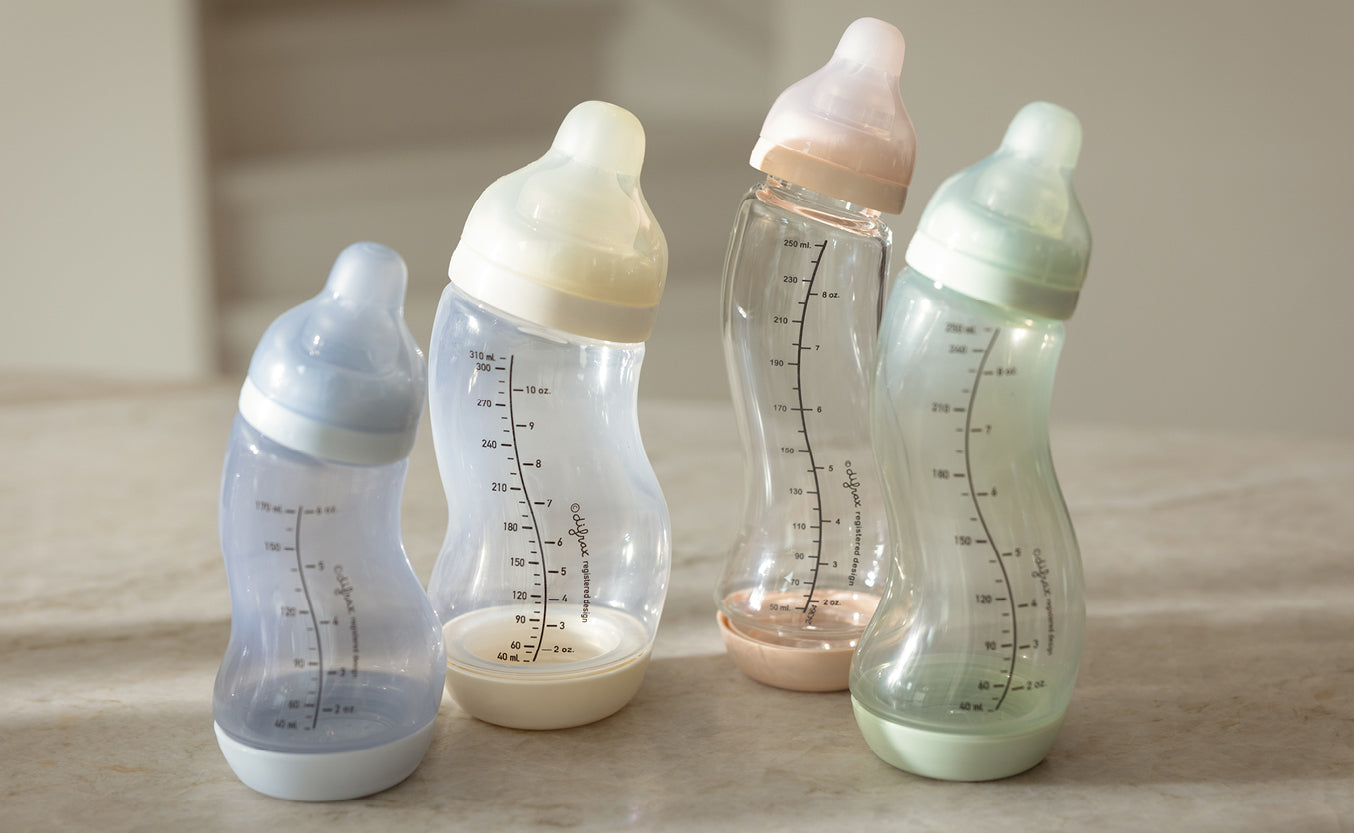
Do you want to know for sure which teat fits your child best or are you worried about switching to a teat in a new size? Just take a look at the different teat sizes from Difrax. Do you have questions? Please feel free to contact us.