

Why do parents elect to combine bottle feeding and breast feeding?
Many parents choose to combine breast feeding and bottle feeding dueto the peace and flexibility this offers in the first months. Bottle feeding is ideal when the breast feeding doesn't quite work as expected or when your partner also wants to feed your baby. It also offers a solution when you are looking for a greater balance between taking care of the baby and getting some rest. When you breastfeed your baby, you enjoy many intimate moments with your baby. Breast feeding is also the best for your baby.
By using both types of feeding, your baby still gets all the advantages of breast feeding at the same time as you have the opportunity to give the baby a bottle when that is more convenient. This way, the feeding fits easily in to whatever needs you may have.
When is the best time to start combination feeding?
The best time to start combining the different feeds varies from family to family. Many parents wait until the breast feeding is working well. Most often, this occurs after a couple of weeks provided the baby latches on well and the milk production is stable.
However, sometimes it can be necessary to feed the baby with a bottle, if the baby is finding it hard to feed. If you need to supplement your own feed or if breastfeeding becomes too much of a strain, it is wise to switch.
The most important thing is to start combination feeding at a time when you and your baby are relaxed and the feeding runs smoothly. If you are worried, always talk to your home nurse for newborns, breast feeding expert or health visitor. This way, you know for sure that you are doing the right thing.
How do you gradually build up bottle feeding alongside breastfeeding?
The best way to gradually build up bottle feeding is doing it slowly and gradually, especially if you do it alongside breastfeeding. Start with one feed from the bottle per day, preferably at a peaceful time when your baby is relaxed.
Let somebody else (such as your partner ) feed the baby the bottle so that the baby learns to be fed in different ways and by different people. In addition, your baby will not exclusively connect your scent and the expectation of breast milk with feeding.
Continue to replace one extra breastfeed with a bottle every few days, so that your baby has time to get used to the taste, the teat and the different milk flow. Keep an eye on the feeding rhythm of your baby and adapt the speed to any changes whenever necessary. This way, feeding continues to be a pleasant experience and you avoid reducing your own milk production too fast.
Influence on milk production and breastfeeding rhythm
Combination feeding has an impact on your milk production since your body produces milk on demand. When you replace breast feeding with bottle feeding, your body gets the signal that the demand for milk no longer is as great. This means that your will gradually produce less milk.
This in turn will change the breastfeeding rhythm: your baby will drink less often from your breast and will divide feeding between breast and bottle. This doesn't need to be a problem provided you are relaxed in your build up to the switch and are observant on the signals from your baby.
If you wish to keep your milk production stable, keep pumping whenever you skip a breastfeeding occasion. This way, your milk production remains stable and the switch from breast feeding to bottle feeding becomes more comfortable for you and your baby.
How to handle bottle aversion or nipple preference
Bottle aversion or a clear preference for the breast often happens when combining breastfeeding and bottle feeding. Some babies have to become used to other ways of feeding, the taste of the feed or the speed with which the feed is delivered.
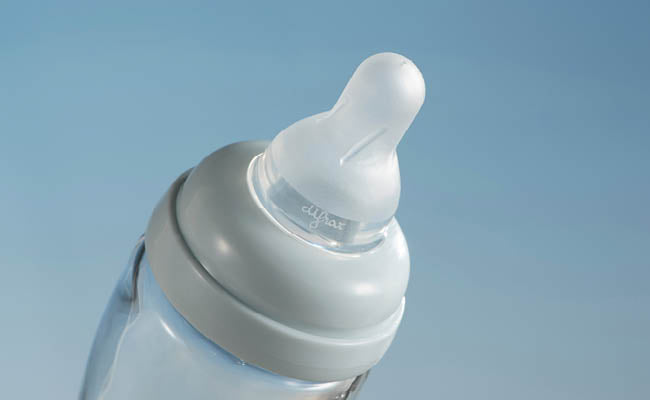
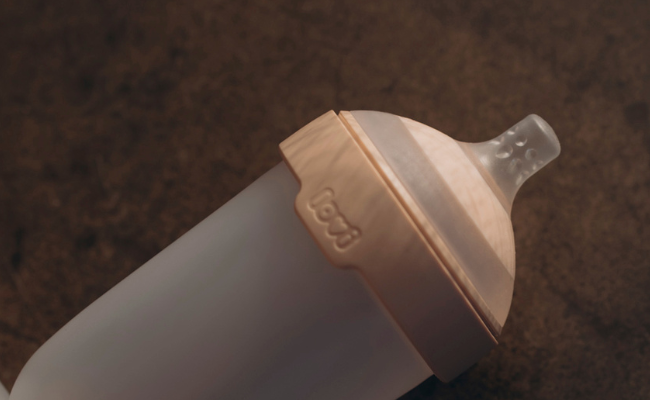
It helps to offer the bottle when your baby is not exhausted or is very hungry. A teat that fits the drinking rhythm and a bottle with a relaxed flow can make the switch easier. Patience is important here: small steps and repetition normally ensures that your baby eventually accepts the bottle.
Tips on how to make the switch smooth for mother and child
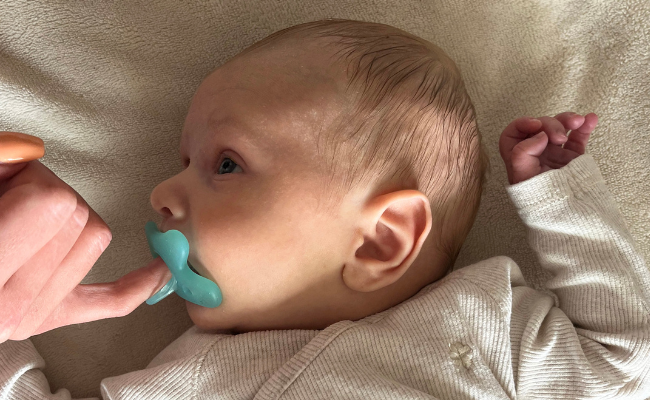
The transition from breastfeeding to bottle feeding is smoother if you build in a measure of predictability. Make sure to follow the same rituals when you give the baby the bottle as when you breastfeed. Maybe cuddle a little with your baby and talk softly so that your baby recognizes that he/she is about to feed.
Also pay attention to your how you are sitting: a relaxed position reduces the tension both in you and your baby. Warm briefly up the teat in lukewarm water for a comfortable feel. The temperature of the teat will then feel similar to the breast.
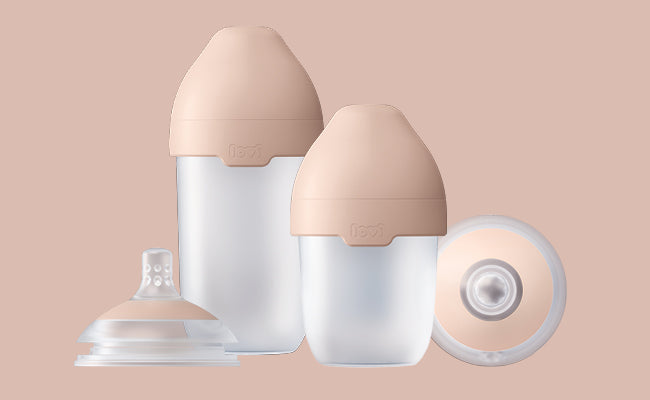
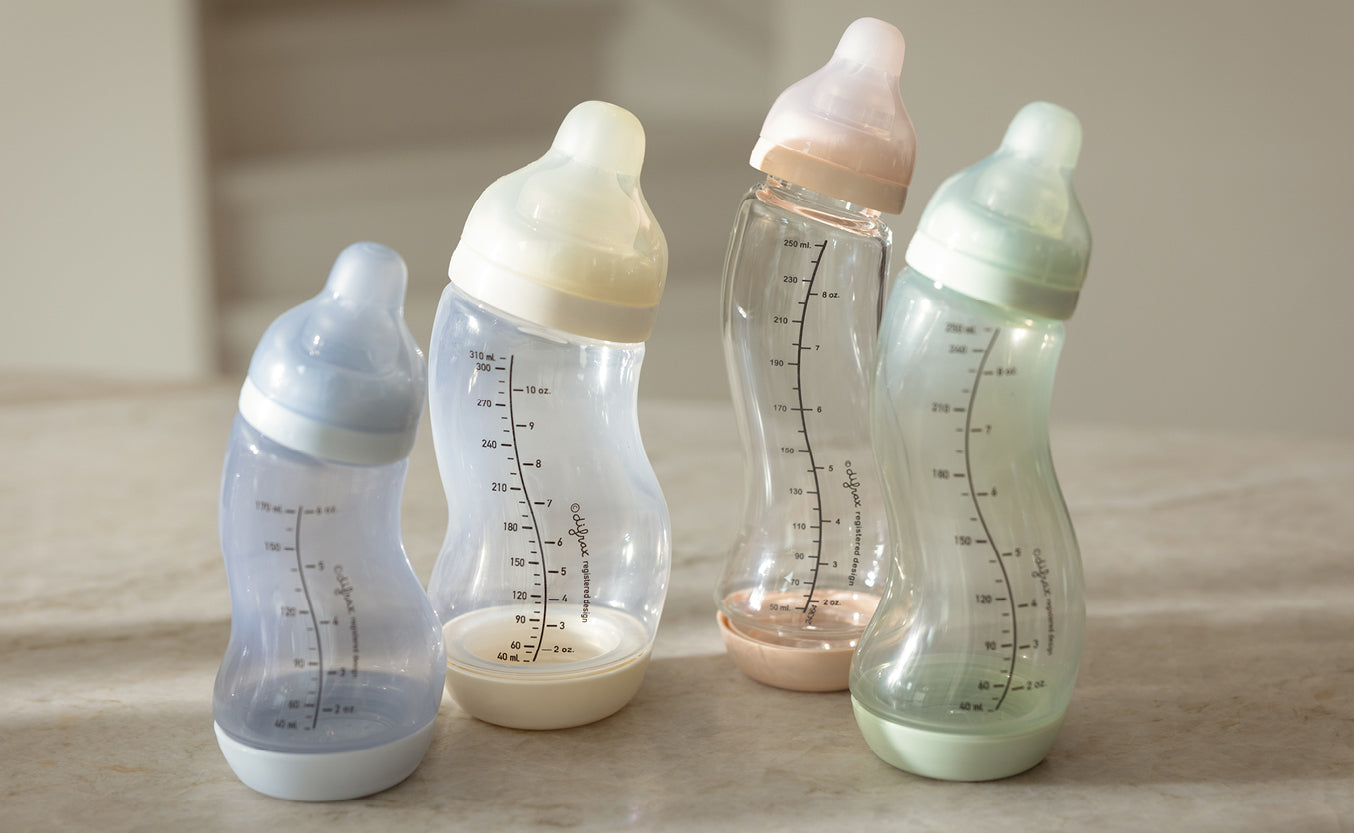
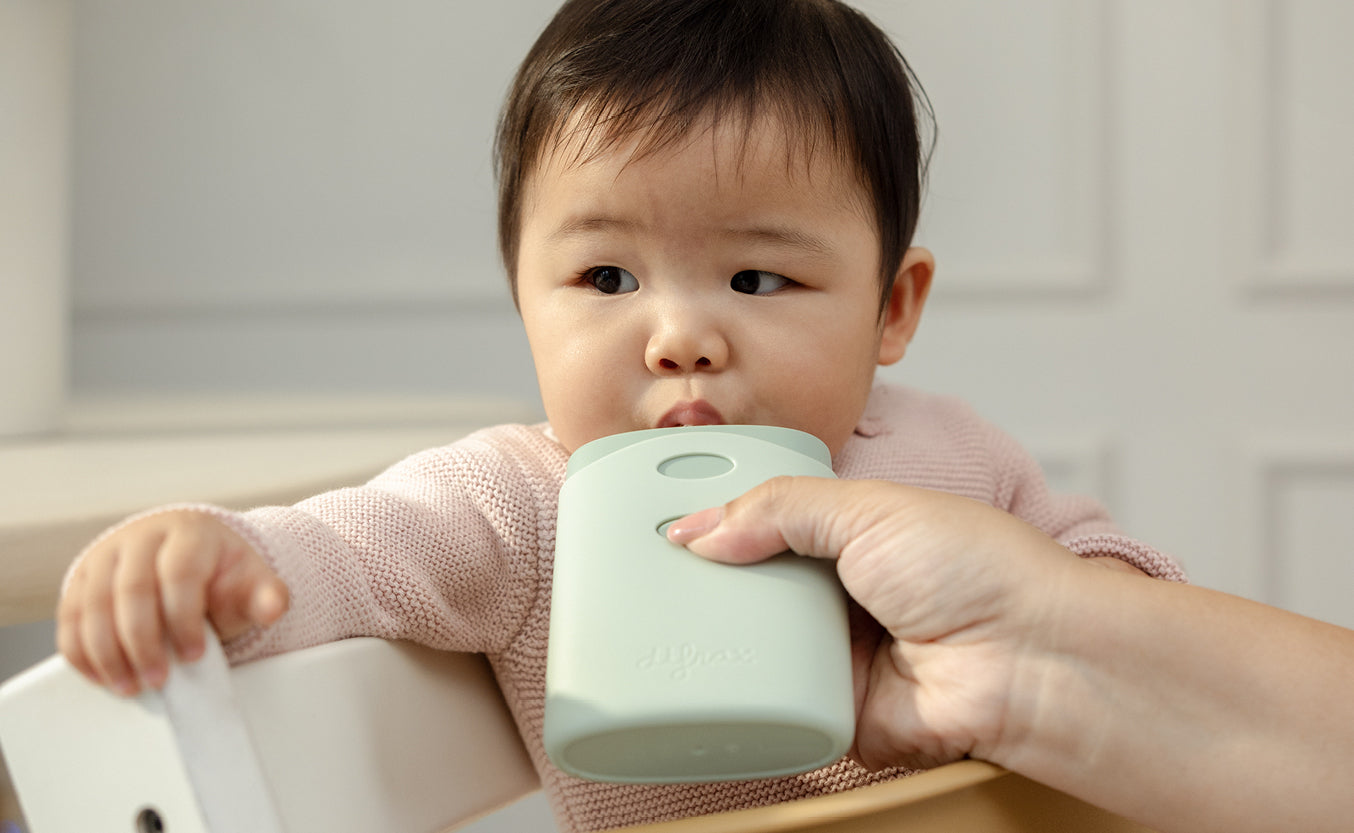
Give your baby time to explore, don't force it if feeding doesn't work immediately. A short break when you pull the bottle away will often work better than continuously trying. Do you need support when making the switch? If so, take a look at the bottles and teats from Difrax, designed to make the feeding moments more relaxed and comfortable. Do you feel that you need help? Don't hesitate to contact us.